







What's Happening?
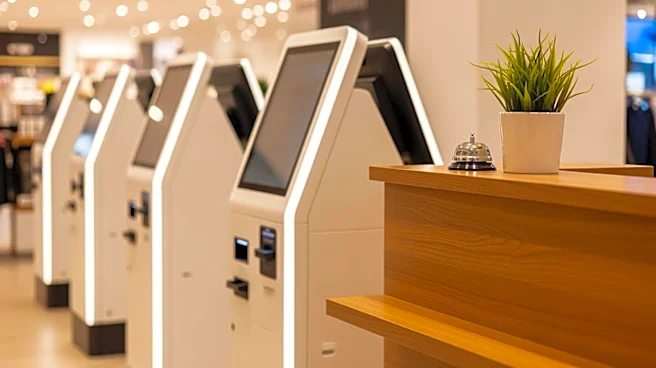
Several major retail chains, including Walmart, are reversing their previous trend of replacing traditional cashier lanes with self-checkouts. This shift comes after years of investment in self-checkout technology, which has faced criticism from customers
concerned about job losses and increased theft. According to a report by the New York Post, Walmart has begun removing self-checkouts in some locations, such as a store in South Philadelphia, to improve the shopping experience. The company aims to enhance customer service by reintroducing traditional checkout lanes, guided by feedback from both associates and customers. Other retailers, like Dollar General, have also started phasing out self-checkouts, with some locations removing them entirely.
Why It's Important?
The move away from self-checkouts by major retailers like Walmart signifies a shift in retail strategy, focusing on customer satisfaction and service quality. This change could impact the retail industry by potentially increasing employment opportunities as more cashiers are needed. It also addresses concerns about theft associated with self-checkouts, which could lead to reduced losses for retailers. For consumers, the return to traditional checkouts may enhance the shopping experience by providing more personalized service. This trend could influence other retailers to reconsider their checkout strategies, balancing technology with human interaction to meet customer expectations.
What's Next?
As retailers continue to evaluate their checkout processes, further changes in store layouts and staffing may occur. Companies might invest in training employees to provide better customer service, potentially leading to a more engaged workforce. Additionally, the integration of technology, such as AI-powered 'scan and go' systems, could become more prevalent as retailers seek to streamline operations while maintaining a human touch. The retail industry will likely monitor customer feedback closely to adapt and refine their strategies, aiming to strike a balance between efficiency and service quality.