

What's Happening?
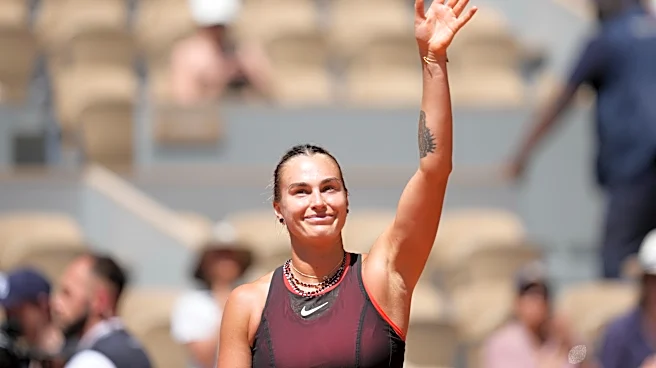
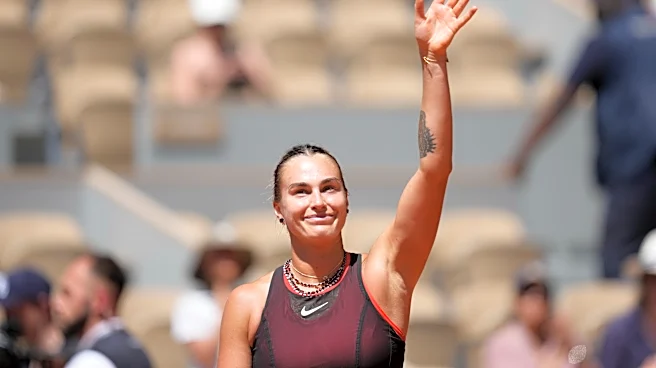
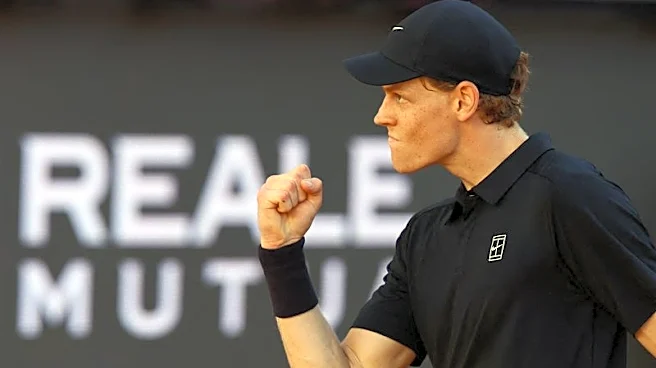
Top-ranked Aryna Sabalenka secured a victory in the first round of the French Open, overcoming the challenging heatwave conditions in Paris. Sabalenka defeated Jessica Bouzas Maneiro with a score of 6-4, 6-2, showcasing her aggressive play style on Court
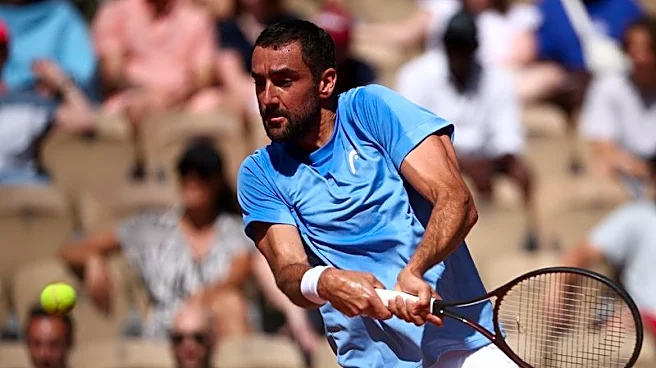
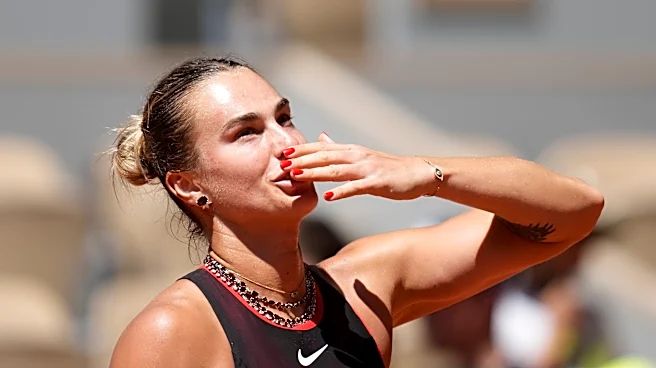
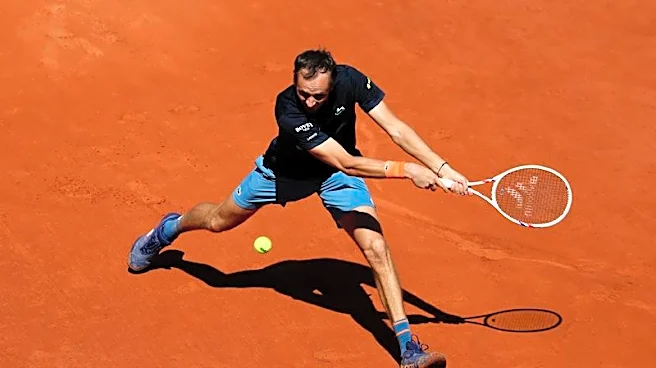
Philippe-Chatrier. Meanwhile, Daniil Medvedev, who typically excels in fast conditions, was defeated by 97th-ranked Adam Walton in a five-set match. The heatwave, described as a 'heat dome,' has caused temperatures to soar to 35 degrees Celsius (95 Fahrenheit), affecting the pace of the games. Sabalenka, known for her fashion-forward approach, wore two thick necklaces during her match, emphasizing her comfort and style on the court.
Why It's Important?
The extreme weather conditions at the French Open highlight the growing impact of climate change on global sporting events. Players like Sabalenka and Medvedev must adapt their strategies to cope with the heat, which can influence match outcomes and player performance. The heatwave also underscores the need for tournament organizers to consider player safety and comfort, potentially leading to changes in scheduling or venue conditions. For fans and stakeholders, these conditions can affect attendance and viewership, as well as the overall experience of the event.
What's Next?
As the French Open progresses, players and organizers will need to continue adapting to the heatwave conditions. This may involve adjusting match schedules or providing additional resources to ensure player safety. The outcomes of these matches could influence player rankings and future tournament seedings. Additionally, the ongoing heatwave may prompt discussions among tennis governing bodies about climate change and its impact on the sport, potentially leading to long-term changes in how tournaments are planned and executed.