





What's Happening?
The S&P 500 and Nasdaq recently reached record highs due to optimism surrounding a potential U.S.-Iran ceasefire and the reopening of the Strait of Hormuz. However, these hopes were dashed as tensions between the two nations escalated over the weekend.
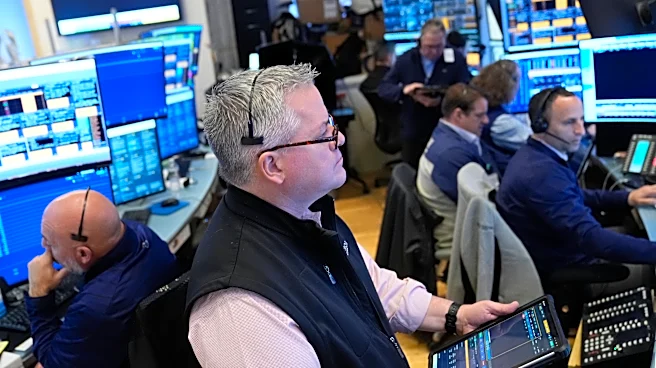
CNBC's Ritika Gupta discussed with Manish Singh of Crossbridge Capital and Patrick O'Donnell of Omnis Investments about whether the markets are prematurely pricing in a deal and how investors are currently positioning themselves. The Strait of Hormuz is a critical maritime passage for global oil shipments, and its closure or restricted access can significantly impact oil prices and market stability.
Why It's Important?
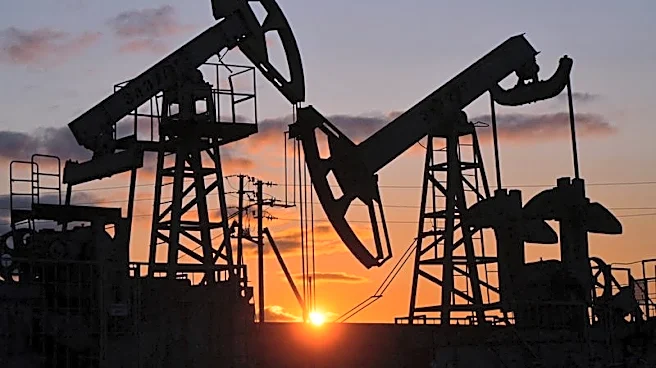
The Strait of Hormuz is a vital chokepoint for the global oil supply, with a significant portion of the world's oil passing through it. Any disruption in this area can lead to increased oil prices and market volatility, affecting global economies. The recent market highs reflect investor optimism about a resolution, but the renewed tensions highlight the fragility of such expectations. U.S. industries, particularly those reliant on oil, could face challenges if the situation worsens, leading to higher operational costs and potential economic slowdown. Investors and businesses must remain vigilant and adaptable to the geopolitical developments in the region.
What's Next?
If tensions continue to rise, stakeholders such as oil companies, shipping firms, and governments may need to explore alternative routes or strategies to mitigate risks. Diplomatic efforts could intensify to prevent further escalation and ensure the security of oil shipments through the Strait. Market analysts will closely monitor the situation, adjusting forecasts and advising clients on potential impacts. The U.S. government may also engage in diplomatic talks to stabilize the region and protect economic interests.