







What's Happening?
Carbon Direct, in collaboration with Microsoft and Stripe, has released a guide for sustainable agricultural biomass sourcing for carbon dioxide removal (CDR) projects. This guide provides a framework for sourcing agricultural residues like corn stover
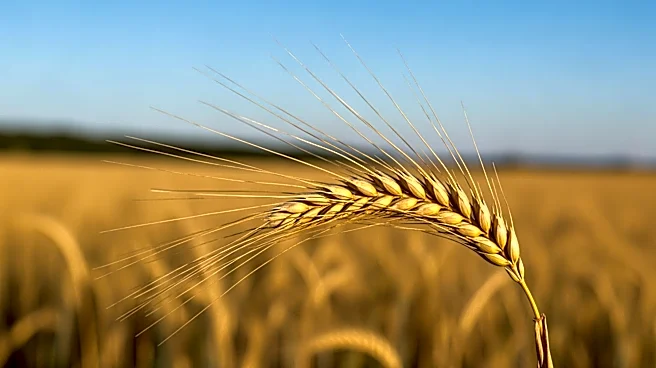
and wheat straw as feedstock for CDR, addressing the need for responsible sourcing practices. The guide is designed to be applicable across various geographies, considering factors such as governance capacity and land tenure systems. It emphasizes traceability, community protection, soil and environmental protection, and market integrity. The guide aims to support buyers and developers in making informed decisions about biomass sourcing, ensuring that projects do not negatively impact local communities or ecosystems.
Why It's Important?
The release of this guide is significant as it addresses the growing demand for biomass-based CDR pathways, which constituted over 95% of high-durability CDR contracted in 2025. As companies like Microsoft and Stripe commit to large-scale carbon removal, the sourcing of biomass becomes a critical factor in ensuring the sustainability and credibility of these projects. The guide provides a much-needed framework for responsible sourcing, helping to mitigate risks associated with diverting agricultural residues from their existing economic and ecological roles. By setting high standards for biomass sourcing, the guide supports the development of a trustworthy carbon removal market, which is essential for achieving global climate goals.
What's Next?
Carbon Direct plans to refine the guide as scientific understanding and market conditions evolve. The guide is intended as a living resource, with future editions expected to incorporate new insights and developments in the field of carbon removal. As the market for CDR continues to grow, further collaboration between industry stakeholders, scientists, and policymakers will be necessary to ensure the sustainability and effectiveness of carbon removal projects. The guide's principles may also influence the development of formal certification frameworks for biomass sourcing, contributing to the establishment of industry-wide standards.