





What's Happening?
Nautical tourism is increasingly becoming a significant economic driver in the Caribbean, as wealthy travelers opt for boating holidays over traditional beach resorts. This shift is characterized by longer stays and higher spending, as visitors engage
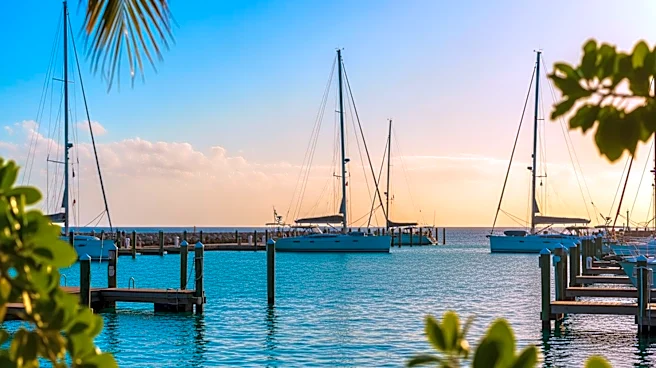
more deeply with local communities and economies. The trend is evident in the development of marinas and the adaptation of local services to cater to these high-net-worth individuals. The economic impact extends beyond docking fees and boat maintenance, influencing upscale housing markets, dining, and retail sectors. Islands like the Bahamas, Saint Barth, Antigua, and Saint Martin have seen marinas evolve into bustling centers, attracting affluent visitors year-round.
Why It's Important?
The rise of nautical tourism represents a broader evolution in high-end travel preferences, emphasizing privacy, local engagement, and sustainable living. This trend offers significant economic benefits to Caribbean economies, as the spending patterns of nautical tourists often exceed those of traditional holidaymakers. The extended stays of these visitors create a ripple effect across various sectors, including local shops, service industries, and niche markets tailored to maritime guests. However, the growth of this sector also poses challenges, such as the risk of overdevelopment and environmental degradation, highlighting the need for sustainable planning and management.
What's Next?
As nautical tourism continues to grow, Caribbean destinations must balance development with sustainability to preserve their natural and cultural assets. This involves creating quality marinas that prioritize environmental protection and cultural authenticity. By doing so, these locations can maintain their appeal in the competitive upscale travel market. The focus will likely be on developing infrastructure that supports long-term economic benefits while safeguarding the unique characteristics that attract visitors.
Beyond the Headlines
The expansion of nautical tourism in the Caribbean underscores a shift towards more personalized and immersive travel experiences. This trend reflects broader changes in consumer preferences, where travelers seek meaningful interactions and sustainable practices. The challenge for Caribbean destinations will be to integrate these elements into their tourism strategies, ensuring that growth does not come at the expense of their natural and cultural heritage.