






What's Happening?
The beauty industry is experiencing a trend where consumers are increasingly purchasing 'small indulgences'—products that offer emotional and practical value without significant financial commitment. This shift is leading to higher order frequencies,
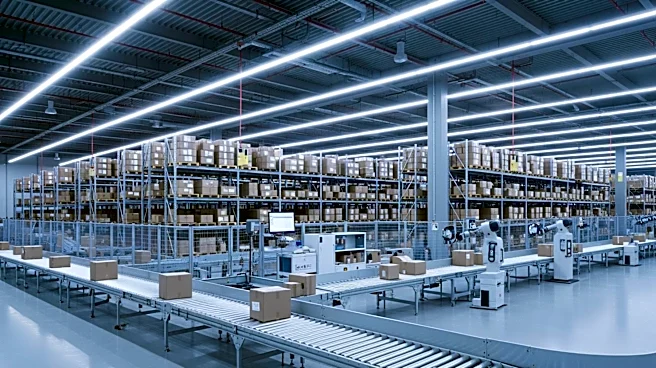
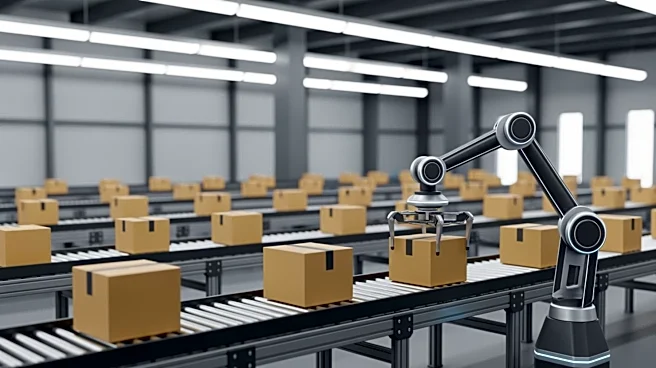
lower basket values, and increased complexity in supply chains. As consumers opt for multiple smaller orders across various platforms like Amazon and TikTok Shop, beauty brands face challenges in managing fulfilment operations. Companies like Lemonpath are stepping in to provide logistics and packing solutions, helping brands maintain operational excellence and protect the brand experience.
Why It's Important?
This trend is crucial as it highlights a shift in consumer behavior towards more frequent, smaller purchases, which impacts supply chain operations significantly. For beauty brands, maintaining fast delivery, careful presentation, and a premium feel is essential to uphold brand trust. The increased complexity in fulfilment operations requires brands to rethink their strategies, often turning to specialized logistics partners. This shift not only affects operational costs but also influences how brands manage customer expectations and maintain competitive advantage in a rapidly evolving market.
What's Next?
As the trend of 'small indulgences' continues, beauty brands are expected to further integrate with logistics partners to streamline operations. This may involve adopting more advanced technologies for inventory management and order fulfilment. Additionally, brands might explore new sales channels and marketing strategies to capitalize on this consumer behavior shift. The focus will likely remain on balancing cost control with maintaining a high-quality customer experience.
Beyond the Headlines
The ongoing trend of 'small indulgences' in the beauty industry could lead to long-term changes in consumer purchasing habits and brand strategies. As consumers prioritize emotional and practical value, brands may need to innovate in product offerings and marketing approaches. This could also drive advancements in supply chain technologies and practices, as companies seek to enhance efficiency and customer satisfaction.