






What's Happening?
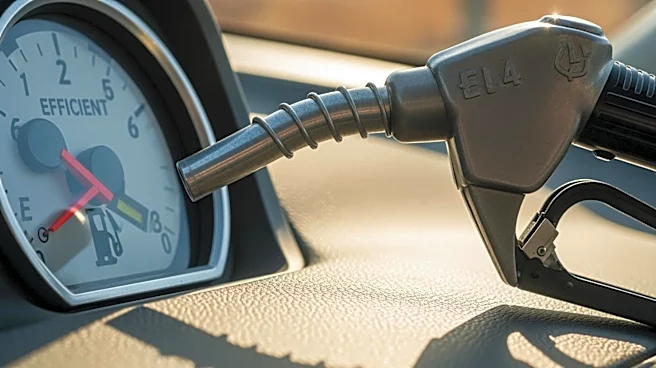
The trucking industry is facing significant financial pressure due to rising diesel prices, which have surpassed $5.50 per gallon. This increase is squeezing fleet margins, with little expectation of near-term relief. The high cost of diesel, a major
operating expense for fleets, is prompting companies to adopt fuel efficiency tools such as telematics. These tools provide real-time visibility into fuel consumption patterns, idle time, and purchasing behavior, allowing operators to identify inefficiencies and implement targeted improvements. Additionally, route optimization software is being used to reduce empty miles and fuel consumption by mapping the most efficient paths based on real-time traffic data and weather conditions.
Why It's Important?
The surge in diesel prices is a critical issue for the U.S. trucking industry, which operates on tight margins. As fuel costs rise, profitability declines, making it essential for fleet operators to find ways to mitigate these expenses. The adoption of telematics and route optimization software not only helps in controlling costs but also enhances operational efficiency. This shift towards data-driven tools could lead to long-term changes in how fleets manage their operations, potentially reducing the industry's overall carbon footprint. The focus on fuel efficiency is also likely to drive innovation in alternative fuel technologies, although such transitions may not occur immediately.
What's Next?
Fleet operators are expected to continue investing in technology to improve fuel efficiency and reduce costs. As diesel prices remain high, there may be increased interest in alternative fuel vehicles, although widespread adoption is not anticipated in the near future. The industry may also see more collaboration between technology providers and fleet operators to develop customized solutions that address specific operational challenges. Additionally, regulatory changes or incentives aimed at promoting fuel efficiency and reducing emissions could further influence the industry's approach to managing fuel costs.