



What's Happening?
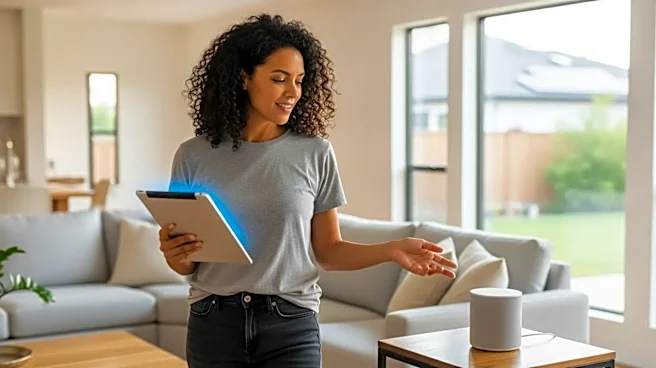
The evolution of home entertainment systems has seen a significant shift from merely having high-quality TV displays to incorporating smart gadgets that enhance the overall viewing experience. According to a recent article, the integration of smart peripherals
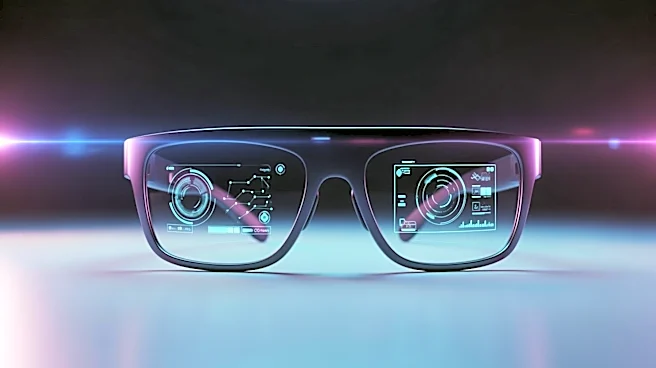
such as dedicated streaming devices, voice-operated smart curtains, and XR glasses can transform a basic TV setup into a cinematic experience. These devices address common issues like lagging processors in smart TVs, unclear dialogue, and external light interference. For instance, streaming devices offer more RAM and processing power, ensuring smooth navigation and high-quality video streams. Additionally, products like the Nyrius Aries Home+ provide reliable video and sound transmission with minimal latency, making them ideal for gaming and media sharing across multiple displays.
Why It's Important?
The integration of smart gadgets into home entertainment systems represents a significant advancement in consumer technology, offering users a more immersive and seamless viewing experience. This trend is crucial for the tech industry as it drives innovation and consumer demand for more sophisticated home entertainment solutions. By addressing common pain points such as processor lag and poor sound quality, these gadgets enhance user satisfaction and engagement. This development also has economic implications, as it encourages the purchase of additional peripherals, boosting sales for tech companies. Moreover, the ability to integrate smart home features with entertainment systems reflects a growing trend towards interconnected living spaces, which could influence future product designs and consumer expectations.
What's Next?
As the demand for enhanced home entertainment systems grows, manufacturers are likely to continue innovating and expanding their product offerings. Future developments may include more advanced streaming devices with even greater processing power and compatibility with emerging technologies like virtual reality. Additionally, the integration of artificial intelligence could lead to more personalized viewing experiences, with systems that adapt to user preferences and environmental conditions. Companies may also explore partnerships with content providers to offer exclusive features or content that can only be accessed through their devices. As these technologies become more mainstream, they could redefine the standard for home entertainment, influencing consumer behavior and industry trends.