



What's Happening?
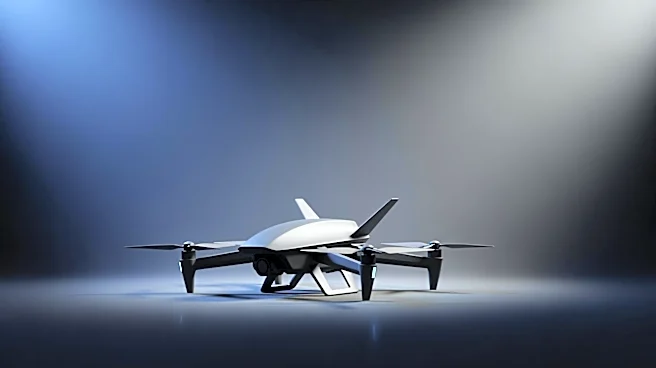
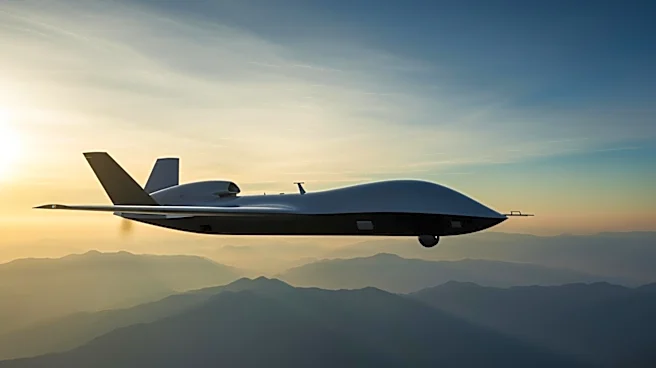
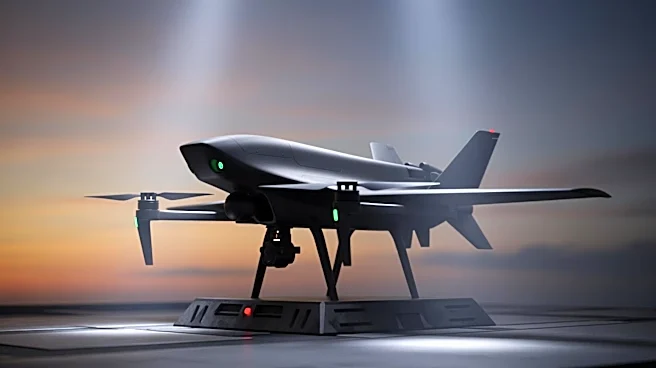
Red Cat Holdings has announced a strategic collaboration with Arastelle Drone Solutions to enhance its autonomous systems for modern warfare. This partnership focuses on integrating Arastelle's tactical tethering technology with Red Cat's Family of Systems,
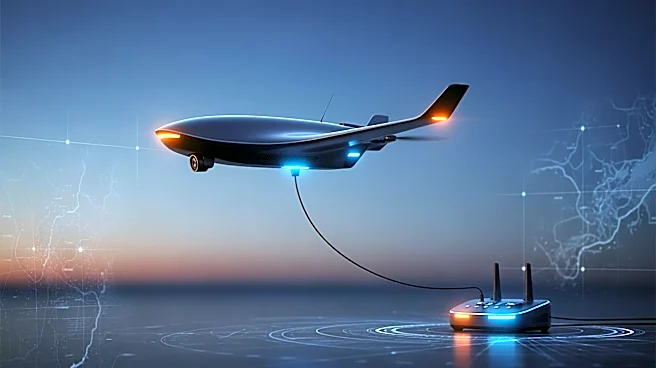
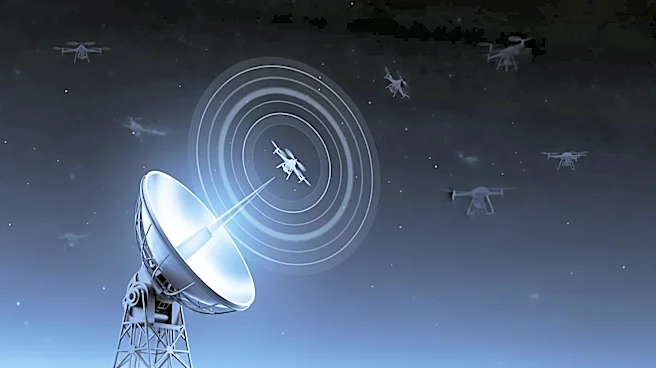
including the Black Widow platform. The integration aims to provide Unmanned Aerial Systems (UAS) with persistent Intelligence, Surveillance, and Reconnaissance (ISR) and communications relay capabilities. By utilizing a tethered power supply, these systems can overcome the flight-time limitations typically associated with battery-powered drones. This setup allows the drones to function as a Variable Height Antenna (VHA), offering extended endurance and operational flexibility. Arastelle's system is designed for portability and rapid deployment, featuring a backpack-sized kit that can be managed by a single operator, with options for hot-swappable power sources to further extend mission duration.
Why It's Important?
The collaboration between Red Cat Holdings and Arastelle represents a significant advancement in military drone technology, particularly in the realm of ISR operations. By overcoming the limitations of battery life, these tethered UAS can provide continuous surveillance and communication capabilities, which are crucial for modern military operations. This development could enhance the operational effectiveness of military forces by providing them with reliable and persistent aerial support. The ability to deploy these systems rapidly and in various environments further increases their tactical value. This partnership also highlights the growing importance of integrating advanced technologies to meet the evolving demands of defense and security sectors.
What's Next?
As Red Cat Holdings and Arastelle continue to develop and refine their tethered UAS technology, potential next steps could include field testing and demonstrations to military clients. The success of these systems in real-world scenarios could lead to increased adoption by defense agencies seeking to enhance their ISR capabilities. Additionally, further innovations in tethering technology and power management could expand the operational scope of these drones, making them suitable for a wider range of applications. Stakeholders in the defense industry will likely monitor these developments closely, as they could influence future procurement and deployment strategies.