





What's Happening?
Magna, a major automotive parts supplier, is embedding artificial intelligence across its manufacturing operations to improve efficiency and predict equipment failures. The company supplies components to numerous global automakers and is now using AI
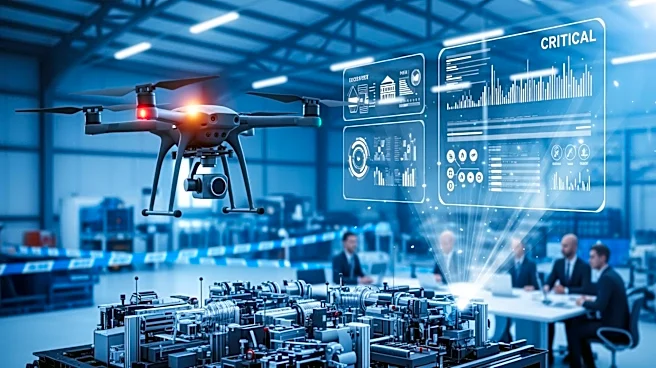
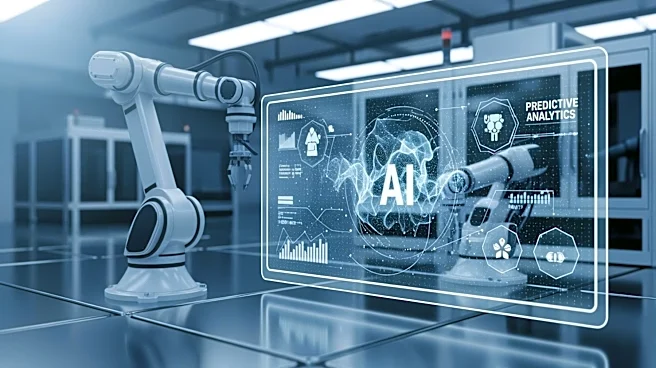
to enhance product quality, equipment maintenance, factory safety, energy reduction, and output speed. AI-powered vision inspection systems detect defects in real time, while systems monitoring vibration, temperature, and pressure help predict equipment failures, reducing costly downtime. Additionally, autonomous mobile robots are deployed to move heavy materials, and machine learning tracks energy use and industrial waste to identify cost-saving opportunities.
Why It's Important?
Magna's integration of AI into its manufacturing processes represents a significant shift towards more intelligent and efficient production systems. By leveraging AI, the company can enhance operational efficiency, reduce waste, and improve product quality, which is crucial in the highly competitive automotive industry. This approach not only benefits Magna but also sets a precedent for other manufacturers to adopt similar technologies, potentially leading to industry-wide improvements in production standards and sustainability. The ability to predict equipment failures and optimize resource use can lead to significant cost savings and increased competitiveness.
What's Next?
Magna aims to develop a 'unified factory' where data, software, and automation systems are interconnected across operations. This vision involves integrating AI more deeply into decision-making processes, material flow, and scheduling. As the company continues to refine its AI strategies, it may further enhance its ability to respond to global risks and supply chain disruptions. The ongoing evolution of AI in manufacturing could lead to more adaptive and resilient production systems, capable of quickly adjusting to market changes and technological advancements.