


What's Happening?
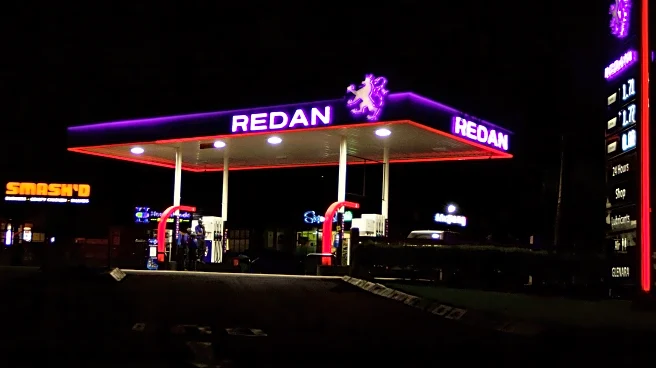
Deutsche Bank has analyzed the impact of rising gas prices on U.S. retailers, as the ongoing Middle East conflict disrupts global energy supplies. With Brent crude futures surpassing $110 per barrel, diesel prices have also increased, affecting consumer
spending patterns. The analysis indicates that retailers catering to higher-income customers, such as Ulta Beauty and Costco, are better positioned to withstand these pressures. Conversely, dollar stores like BJ's Wholesale Club and Burlington Stores, which serve lower-income demographics, may see reduced sales as consumers cut back on spending. The report also highlights the potential impact on global brands with significant revenue exposure in Europe, the Middle East, and Africa.
Why It's Important?
The rise in fuel prices can significantly affect consumer behavior, particularly among lower-income groups who may reduce discretionary spending. This shift could lead to a realignment in the retail sector, with luxury and high-end retailers potentially gaining market share. Additionally, the increased cost of petroleum-based materials could impact manufacturing and supply chains, affecting product availability and pricing. Retailers with robust inventory management and diversified revenue streams may better navigate these challenges, while others could face margin pressures and reduced profitability.
What's Next?
Retailers will need to adapt to the changing economic landscape by optimizing supply chains and managing costs. Companies may explore strategies to mitigate the impact of fuel price volatility, such as enhancing operational efficiencies or adjusting pricing models. Policymakers and industry leaders will likely monitor these developments closely, as prolonged high fuel prices could influence broader economic conditions and consumer confidence. The situation underscores the importance of strategic planning and resilience in the face of global economic disruptions.