





What's Happening?
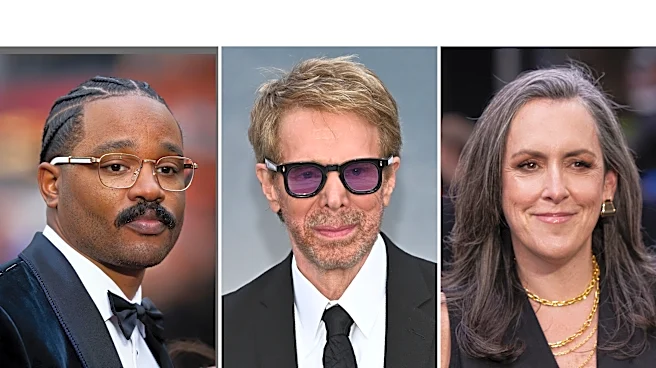
Over a thousand Hollywood professionals, including filmmakers, writers, and directors, have signed an open letter opposing the proposed merger between Paramount and Warner Bros. Discovery. Notable figures such as JJ Abrams, Damon Lindelof, and Denis Villeneuve
argue that the merger threatens the sustainability of the creative community by prioritizing the interests of a few powerful stakeholders over the broader public good. The letter, organized by groups like the Committee for the First Amendment and the Writers Guild of America, emphasizes that competition is essential for a healthy economy and democracy. Paramount CEO David Ellison contends that the merger would benefit the industry by increasing feature film production and supporting talent. However, the signatories fear that the merger would consolidate the industry further, reducing the number of major U.S. film studios to just four.
Why It's Important?
The proposed merger between Paramount and Warner Bros. Discovery has significant implications for the U.S. entertainment industry. If approved, it could lead to further consolidation, potentially reducing competition and limiting opportunities for creators. This could result in fewer jobs, higher costs, and less choice for audiences. The merger's critics argue that it could compromise the integrity, independence, and diversity of the industry, which has long been a vital part of American culture and economy. The opposition from high-profile industry figures highlights the broader concerns about media consolidation and its impact on creative freedom and market dynamics.
What's Next?
The merger awaits shareholder and regulatory approval, with various advocacy groups and state Attorney Generals expressing concerns about its antitrust implications. California Attorney General Rob Bonta and other state AGs are investigating the transaction. The outcome of these investigations and the regulatory review process will determine whether the merger proceeds. If approved, the merger could reshape the landscape of the U.S. film industry, influencing how content is produced and distributed. The industry and public will be closely watching the developments, as the decision could set a precedent for future media mergers.