






What's Happening?
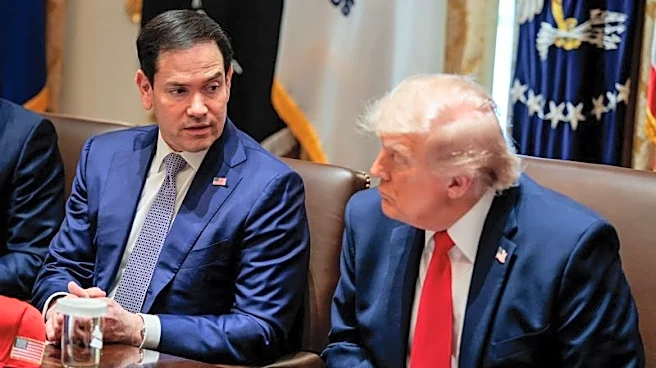
President Donald Trump has announced adjustments to tariffs on certain steel, aluminum, and copper imports. The changes, effective immediately, lower tariffs on agricultural equipment and HVAC systems from 25% to 15%. Additionally, the tariff on mobile
industrial equipment, such as bulldozers and forklifts, imported from countries with U.S. trade agreements, has been set at 15%. The executive order also stipulates that countries using at least 85% U.S.-sourced steel or aluminum by weight could qualify for a reduced 10% duty rate. These modifications are temporary and will expire at the end of 2027. The original tariffs were imposed in 2018 under Section 232 of the Trade Expansion Act of 1962, which allows tariffs on imports deemed a threat to national security. Trump has been adjusting these tariffs since, with significant increases in 2025.
Why It's Important?
The tariff adjustments are significant as they aim to bolster U.S. industries by encouraging the use of domestically sourced metals. By lowering tariffs on specific equipment, the administration seeks to alleviate some of the financial burdens on U.S. farmers and industrial sectors. This move is seen as a strategic response to declining farm sentiment and increasing bankruptcies in the agricultural sector, which could impact upcoming midterm elections. The adjustments may also influence international trade dynamics, as countries may seek to increase their use of U.S. metals to benefit from the reduced tariffs.
What's Next?
The temporary nature of these tariff adjustments suggests that further changes could be on the horizon, depending on economic conditions and political considerations. Stakeholders in the agricultural and industrial sectors will likely monitor the impact of these changes closely. Additionally, international trade partners may adjust their sourcing strategies to take advantage of the reduced tariffs, potentially leading to shifts in global trade patterns. The upcoming midterm elections could also play a role in future tariff decisions, as political leaders assess the economic and electoral impacts of these policies.