

What's Happening?
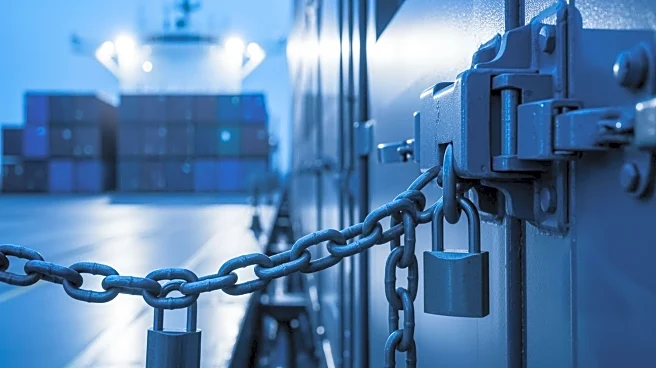
The International Union of Marine Insurance (IUMI) and the Transported Asset Protection Association (TAPA) EMEA have raised alarms over a significant increase in cargo theft and freight fraud globally. These incidents are particularly severe in Latin America and several African nations, where violent attacks are more frequent. According to TAPA's intelligence system, nearly 160,000 cargo-related crimes were recorded across 129 countries between 2022 and 2024, with losses estimated in the billions of Euros. The organizations note that while traditional threats like hijackings and theft persist, cargo crime is becoming increasingly sophisticated and digitally enabled. In response, IUMI and TAPA EMEA are calling for urgent action from supply chain
stakeholders and government authorities. They have published recommendations for shippers, logistics providers, and insurers to enhance resilience against these threats. These include continuous vetting of carriers and drivers, verification of contacts and documentation, adherence to security standards, increased vigilance for abnormal behavior, and greater use of secure facilities and route planning.
Why It's Important?
The escalation of cargo theft and fraud poses a significant threat to global supply chains, impacting industries reliant on the secure and timely delivery of goods. The financial losses from these crimes can be substantial, affecting businesses' bottom lines and potentially leading to higher costs for consumers. The sophistication of these crimes, particularly their digital aspects, highlights vulnerabilities in current security measures and the need for updated protocols. By addressing these issues, stakeholders can help mitigate risks, protect assets, and ensure the smooth operation of international trade. The call to action by IUMI and TAPA EMEA underscores the urgency of adopting comprehensive security measures to safeguard against both physical and digital threats.
What's Next?
Stakeholders in the supply chain industry are expected to review and potentially implement the recommendations provided by IUMI and TAPA EMEA. This may involve investing in new technologies for better tracking and monitoring of cargo, enhancing training for personnel to recognize and respond to threats, and collaborating with international partners to share intelligence and best practices. Government authorities might also consider revising regulations to support these efforts and provide a framework for international cooperation. The effectiveness of these measures will likely be monitored over time, with adjustments made as necessary to address evolving threats.