






What's Happening?
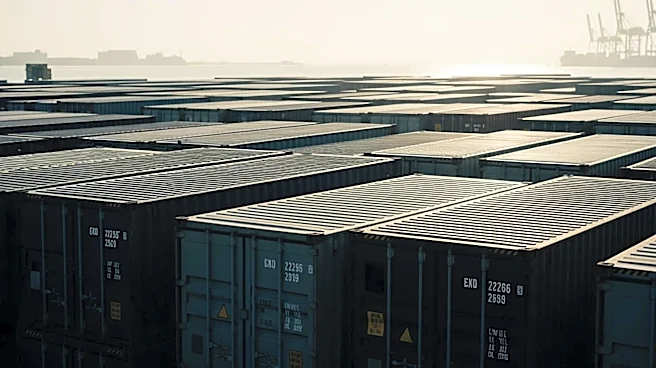
The disruption in the Strait of Hormuz, exacerbated by the Iran war, has significantly impacted global supply chains, particularly affecting retail sectors. According to Stuart Greenfield, Advanced Supply Chain UK and European Sales Director, the reopening
of the Strait is expected to initiate a two-stage recovery process. The first stage involves clearing the backlog of stranded vessels, which is anticipated to take 3-5 months, allowing transportation costs and schedules to gradually return to pre-war levels. The second stage, however, is expected to be more prolonged and unpredictable, as it coincides with peak retail demand periods, such as Christmas. This stage will focus on stabilizing supply chains, reducing volatility in operating costs, and improving predictability in cost control and inventory management.
Why It's Important?
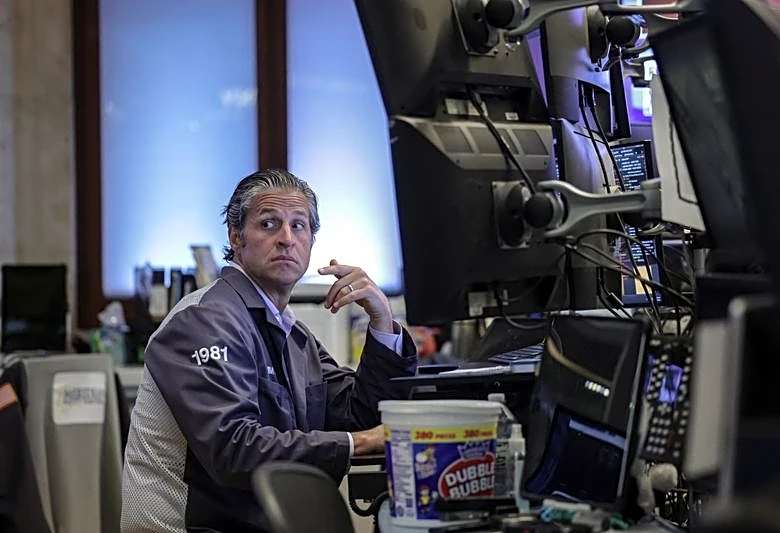
The prolonged recovery of supply chains has significant implications for the retail industry, particularly in the U.S., where retailers are preparing for high-demand seasons. The increased transportation and energy costs resulting from the crisis could lead to higher consumer prices, affecting purchasing power and retail sales. Retailers are actively seeking to mitigate these impacts by optimizing freight capacity, diversifying transportation modes, and exploring alternative routes. The situation underscores the vulnerability of global supply chains to geopolitical conflicts and highlights the need for strategic planning to enhance resilience against future disruptions.
What's Next?
As the recovery process unfolds, retailers will need to navigate the challenges of clearing backlogs and managing increased demand for transportation. The reopening of the Strait of Hormuz will require careful coordination to address security risks and ensure the smooth resumption of shipping schedules. Retailers are likely to continue exploring alternative logistics strategies to protect margins and maintain competitive pricing. The industry will also need to monitor geopolitical developments closely, as any further instability could exacerbate supply chain challenges.