


What's Happening?
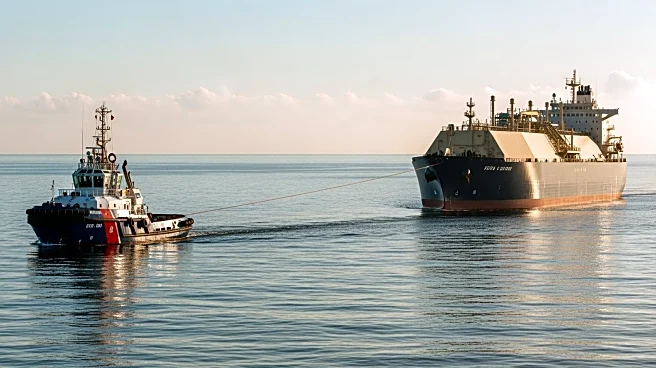
Bureau Veritas Marine & Offshore has completed an independent verification of methane emissions measurements for four LNG-fueled vessels operated by Brittany Ferries. This verification, conducted in collaboration with French authorities, allows the vessels to
report actual measured methane slip values under European MRV and FuelEU Maritime requirements. The vessels, including SALAMANCA, SANTONA, SAINT-MALO, and GUILLAUME DE NORMANDIE, underwent a methane emissions monitoring campaign, with the SALAMANCA's emissions monitored over a year on specific routes. The findings show a significant reduction in the average annual methane slip rate compared to the default values referenced in European and International Maritime Organization (IMO) guidelines. This process underscores the importance of using measured data for regulatory reporting, reflecting real operating conditions.
Why It's Important?
The verification of methane emissions is crucial as maritime transport is now part of the European Union Emissions Trading System (EU ETS), and FuelEU Maritime regulations are being implemented. Methane slip is a significant factor in greenhouse gas intensity calculations, affecting compliance exposure. By using verified measured data instead of conservative default values, LNG-fueled ship operators like Brittany Ferries can transparently demonstrate their environmental performance. This not only aids in regulatory compliance but also enhances the credibility of their environmental claims, potentially influencing industry standards and practices.
What's Next?
With the approval of the methane emissions documentation by the French Flag Administration, Brittany Ferries can now report measured methane emissions within the MRV and FuelEU Maritime frameworks. This development may prompt other maritime operators to adopt similar verification processes to ensure compliance with evolving environmental regulations. As the EU ETS and FuelEU Maritime regulations continue to take effect, the industry may see increased emphasis on accurate emissions reporting and the adoption of technologies to reduce methane slip.