



What's Happening?
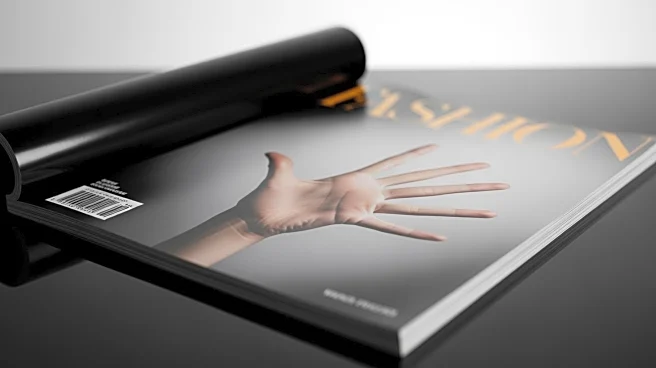
Ariana Grande, the pop singer and star of the musical 'Wicked,' recently appeared on the cover of Vogue Japan's latest issue. However, the cover image sparked widespread attention due to an apparent digital alteration that resulted in Grande having six fingers on her left hand. The image quickly went viral, prompting Grande to respond humorously on social media. She expressed surprise and amusement at the error, joking about needing extra appendages to start an album. The image has since been corrected on Vogue Japan's website to show the usual five fingers. The incident has drawn comments from various quarters, including Luiza Jarovsky, co-founder of the AI Tech & Privacy Academy, who highlighted the oversight as an example of AI-related errors
in media production.
Why It's Important?
This incident underscores the growing influence and potential pitfalls of artificial intelligence in media and publishing. As AI tools become more prevalent in editing and production processes, the risk of errors like the one seen on Vogue Japan's cover increases. Such mistakes can impact the credibility of established publications and raise questions about the oversight and quality control in digital media. For celebrities like Ariana Grande, these errors can affect their public image, albeit sometimes humorously. The situation also highlights the need for media outlets to implement robust checks when using AI technologies to avoid similar gaffes in the future.
What's Next?
Following the incident, it is likely that Vogue Japan and other media outlets will review their editorial processes to prevent similar errors. This could involve implementing stricter quality control measures and increasing human oversight in AI-assisted editing. Additionally, the incident may prompt broader discussions within the industry about the ethical use of AI in media production and the importance of maintaining accuracy and authenticity in published content. As AI continues to evolve, media companies may need to balance technological advancements with traditional editorial standards to maintain trust with their audiences.