



What's Happening?
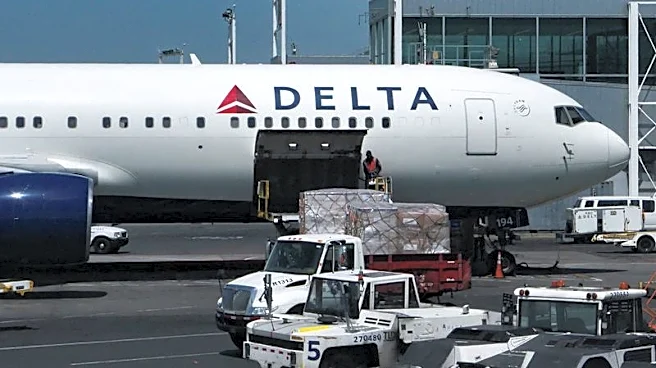
Delta CEO Ed Bastian has addressed concerns regarding the airline's ticket pricing strategy amidst fluctuating oil prices. During a recent earnings call, Bastian explained that even if oil prices decrease, Delta may not reduce fares due to the need to maintain
pricing strength. This approach is partly influenced by industry consolidation and the challenging economics of the airline sector. Bastian emphasized that airline pricing is not solely based on transportation costs but on what the market can bear. He noted that airlines often operate at a loss on many tickets, with profits largely driven by loyalty programs. The airline industry faces profitability challenges, and Delta aims to retain pricing power to boost margins.
Why It's Important?
The discussion on Delta's pricing strategy highlights the broader economic pressures facing the airline industry. As airlines navigate fluctuating fuel costs and market dynamics, their pricing decisions impact consumers and the competitive landscape. Delta's approach to maintaining pricing strength, even amid potential oil price drops, reflects a strategic focus on profitability and market positioning. This decision could influence fare structures across the industry, affecting consumer travel costs and airline competition. The emphasis on loyalty programs underscores the importance of customer retention and brand loyalty in sustaining airline profitability.
What's Next?
As Delta and other airlines continue to adapt to market conditions, potential industry consolidation could reshape the competitive landscape. Airlines may explore strategic partnerships or mergers to enhance operational efficiency and market reach. Consumers can expect ongoing adjustments in fare pricing as airlines balance cost pressures with market demand. Stakeholders, including investors and industry analysts, will closely monitor Delta's financial performance and strategic initiatives to assess the long-term implications of its pricing strategy.