



What's Happening?
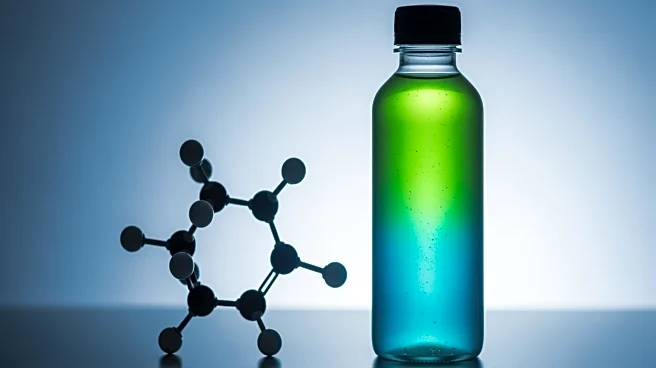
Paraxanthine, a compound naturally produced when the body metabolizes caffeine, is gaining attention as a potential alternative to traditional caffeine in energy drinks. Promoted by celebrities like Kim Kardashian, paraxanthine is featured in the energy drink UPDATE,
which claims to offer focused energy without the typical crash and jitters associated with caffeine. Available in various flavors, the drink is set to launch at Walmart. Experts like dietitian Jordan Langhough and sports dietician Leslie Bonci explain that paraxanthine works by blocking adenosine receptors in the brain, reducing fatigue and enhancing alertness. While paraxanthine is similar to caffeine, it is not necessarily better, as it is simply a metabolite of caffeine. Current research suggests that doses of 100 to 300 mg of paraxanthine can produce noticeable effects, though more data is needed to confirm its benefits.
Why It's Important?
The introduction of paraxanthine as a caffeine alternative could impact the energy drink market by offering consumers a product that potentially reduces the negative side effects of caffeine, such as jitters and crashes. This development may appeal to individuals sensitive to caffeine or those seeking a different stimulant experience. The market for energy drinks is competitive, and innovations like paraxanthine could drive consumer interest and sales. However, the lack of extensive human studies on paraxanthine means that its long-term effects and benefits are not fully understood, which could influence consumer trust and regulatory scrutiny.
What's Next?
As paraxanthine-based products enter the market, further research is likely to explore its efficacy and safety compared to caffeine. Consumer feedback and sales performance will determine its acceptance and potential expansion in the energy drink sector. Regulatory bodies may also evaluate the claims made by paraxanthine products to ensure consumer safety. The success of paraxanthine could encourage other companies to explore similar alternatives, potentially leading to a broader range of stimulant options in the market.