



What's Happening?
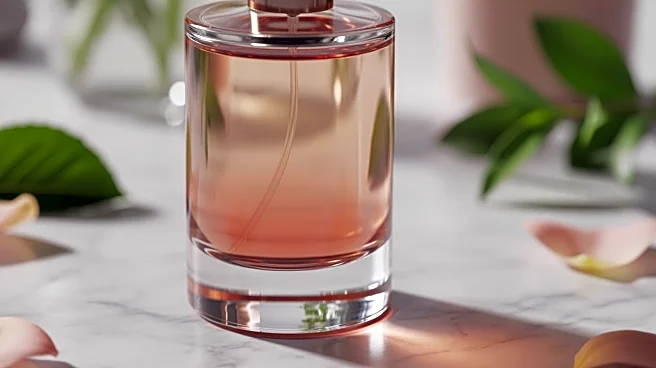
Indie beauty brands, particularly in the fragrance sector, have outperformed larger beauty conglomerates in 2025, achieving a growth rate of 16.1% compared to the conglomerates' 7.4% increase. This growth is attributed to the rapid shift towards e-commerce and social selling platforms like Amazon and TikTok Shop, which have facilitated greater brand discovery and sales. Indie brands, defined as those with under $300 million in annual revenue, have shown resilience despite economic challenges, with fragrance brands experiencing a 46.3% growth compared to the previous year.
Why It's Important?
The success of indie fragrance brands highlights a significant shift in consumer preferences towards niche and independently owned brands. This trend underscores the importance
of digital platforms in driving sales and brand visibility. The growth of indie brands challenges traditional beauty giants, prompting them to innovate and adapt to changing market dynamics. This development is crucial for stakeholders in the beauty industry, including investors, retailers, and marketers, as it signals potential shifts in market share and consumer loyalty.
What's Next?
As indie brands continue to gain traction, larger beauty companies may need to reassess their strategies to maintain competitiveness. This could involve increased investment in digital marketing, collaborations with influencers, or acquisitions of successful indie brands. The ongoing evolution of consumer behavior towards personalized and unique products will likely drive further innovation in the beauty sector. Industry observers will be watching how conglomerates respond to this trend and whether indie brands can sustain their growth momentum.