



What's Happening?
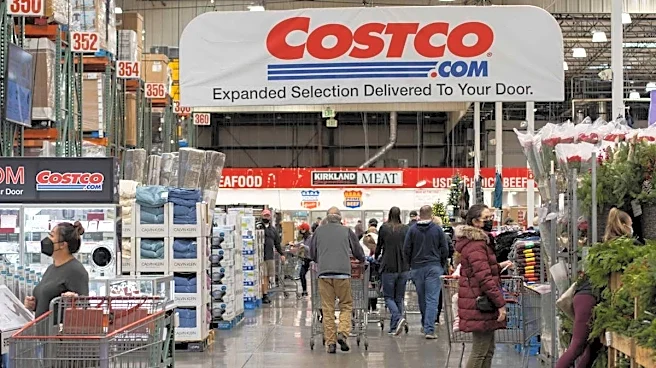
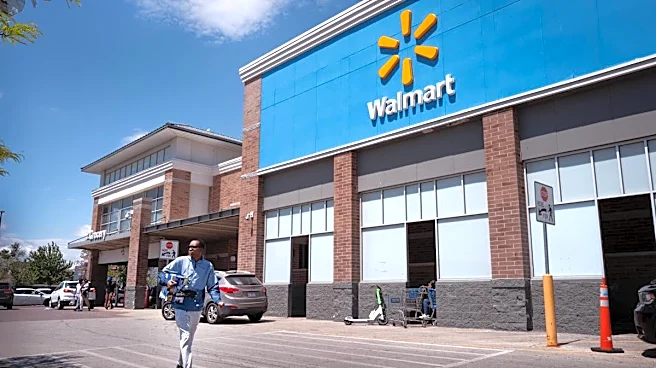
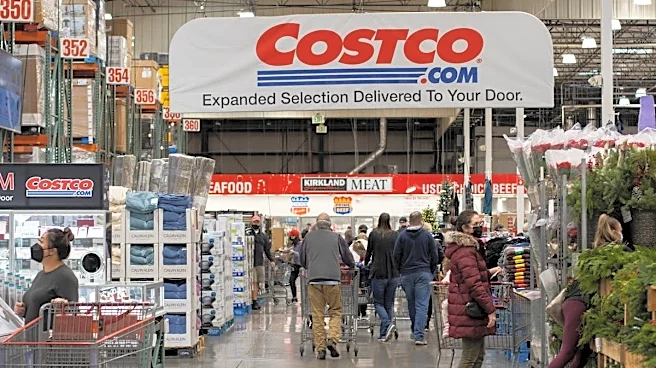
Retailers in the United States are witnessing a shift in consumer spending patterns as inflation continues to rise. According to recent reports, higher prices rather than increased purchases have driven the growth in consumer spending. Warehouse stores
like Costco and Walmart's Sam's Club have seen increased traffic at their fuel pumps, although many customers are purchasing less fuel per visit. This trend is attributed to rising fuel prices, which have also impacted consumer behavior in other areas. Non-grocery product sales have declined, with significant drops in housewares, clothing, and sports equipment. However, toys and beauty items have seen an increase in sales. The rising cost of gasoline has also affected restaurant visits, particularly among lower-income households, as consumers adjust their spending habits.
Why It's Important?
The changes in consumer spending patterns highlight the broader economic impact of rising inflation on American households. As fuel prices increase, consumers are forced to make difficult choices about their spending, which can have ripple effects across various sectors. Retailers and restaurants are particularly affected, as they rely on discretionary spending. The shift towards more budget-conscious shopping and reduced spending on non-essential items could lead to a slowdown in economic growth. Additionally, the impact on lower-income households is more pronounced, as they are more sensitive to price changes. This situation underscores the challenges faced by policymakers in managing inflation while supporting economic recovery.
What's Next?
As inflationary pressures persist, retailers and businesses may need to adapt their strategies to cater to changing consumer preferences. This could involve offering more value-oriented products or promotions to attract budget-conscious shoppers. Policymakers will also need to monitor the situation closely and consider measures to address inflation without stifling economic growth. The ongoing geopolitical tensions and their impact on fuel prices will continue to be a key factor influencing consumer behavior and economic trends in the coming months.