

What's Happening?
Stellantis, the multinational automotive manufacturer, is revising its electrification strategy by reintroducing diesel engines to several of its models in Europe. This decision comes a few years after the company had committed to an aggressive push towards electric vehicles (EVs). According to a Reuters review of dealer websites and company statements, Stellantis has added diesel variants to at least seven passenger cars and vans since late 2025. Models such as the Peugeot 308 and the DS No. 4 hatchback are among those receiving diesel options. Stellantis stated that the decision to maintain and expand its diesel offerings is driven by customer demand and the need to generate growth. This move marks a significant shift for Stellantis, which
had been a strong proponent of battery-electric vehicles following its 2021 merger between PSA Group and Fiat Chrysler Automobiles.
Why It's Important?
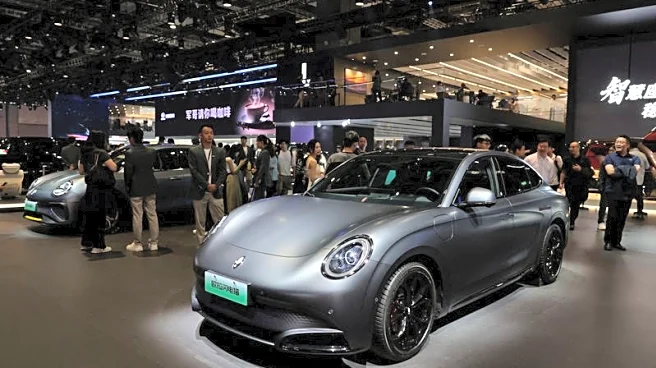
The reintroduction of diesel engines by Stellantis highlights the challenges faced by automakers in transitioning to electric vehicles, particularly in regions where EV adoption has been slower than anticipated. While major urban centers in Europe have seen a rise in EV demand, rural areas have not kept pace, leading to uneven adoption rates. Additionally, the presence of competitively priced electric models from Chinese manufacturers has intensified market pressures. By offering diesel options, Stellantis aims to cater to a broader customer base and hedge against the uncertainties of EV market growth. This strategy also reflects broader trends in the U.S., Stellantis' largest market, where regulatory signals regarding emissions and electrification have recently softened.
What's Next?
Stellantis' decision to reintroduce diesel engines may prompt other automakers to reassess their electrification strategies, especially in markets with uneven EV adoption. The company will likely continue to monitor customer demand and regulatory developments to adjust its powertrain offerings accordingly. As the 2035 ban on new internal-combustion sales in the EU approaches, Stellantis and other manufacturers will need to balance their portfolios to meet both regulatory requirements and consumer preferences. The automotive industry will be watching closely to see if Stellantis' strategy proves successful and if it influences broader market trends.