


What's Happening?
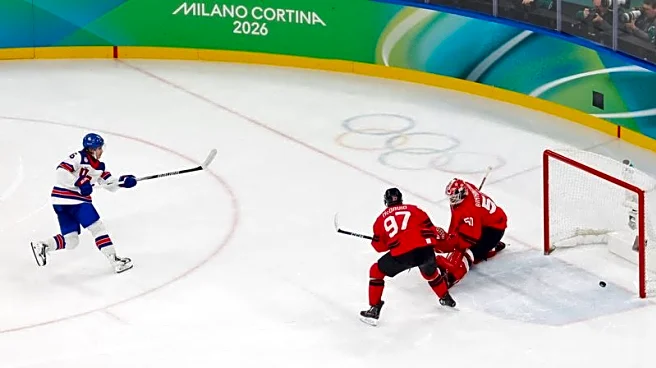
In a dramatic conclusion to the men's ice hockey tournament at the Milano Cortina 2026 Olympic Winter Games, the United States defeated Canada 2-1 in overtime to claim the gold medal. This marked the first time in 12 years that NHL players were allowed
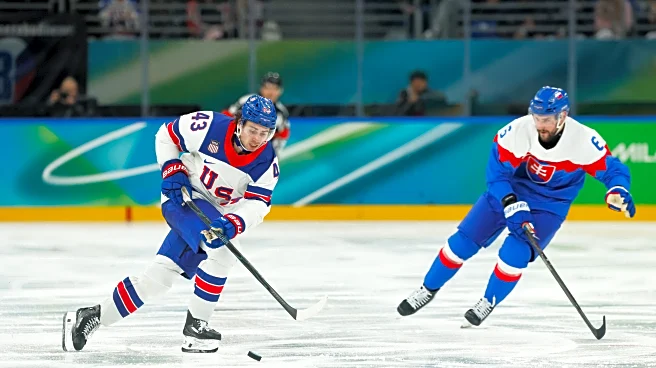
to compete in the Olympics, adding a layer of excitement and prestige to the event. The final match, held at the newly constructed Santagiulia Ice Hockey Arena in Milan, was a highly anticipated showdown between two hockey powerhouses. Jack Hughes scored the decisive goal for the U.S., capping off a tournament that saw intense competition and thrilling matches, including three of the four quarterfinals going into overtime. The U.S. and Canada both dominated their group stages, setting the stage for their epic final clash. Finland secured the bronze medal with a victory over Slovakia.
Why It's Important?
The return of NHL players to the Olympic stage has significant implications for the sport of hockey, both in the U.S. and internationally. The participation of top-tier athletes elevated the level of play and drew global attention to the tournament, potentially increasing interest and investment in hockey. For the U.S., the victory is a source of national pride and could inspire a new generation of players. The success of the tournament also demonstrates the viability of integrating professional athletes into the Olympics, which could influence future decisions by the NHL and other sports leagues regarding Olympic participation. Additionally, the event highlighted the competitive nature of international hockey, with teams like Slovakia making unexpected deep runs, showcasing the sport's growing global reach.
What's Next?
Following the success of the 2026 Olympics, discussions are likely to continue regarding the NHL's participation in future Games. The league and the International Olympic Committee may negotiate terms to ensure NHL players can compete in upcoming Olympics, balancing the interests of the league, players, and fans. The U.S. team's victory could lead to increased support and funding for hockey programs across the country, aiming to build on this momentum. Meanwhile, other nations will analyze their performances and strategize for future international competitions, seeking to challenge the dominance of North American teams.
Beyond the Headlines
The inclusion of NHL players in the Olympics raises questions about the balance between professional and amateur sports in the Games. While the presence of professional athletes can enhance the quality and appeal of the competition, it also shifts the focus from amateur athletes who traditionally represent the Olympic spirit. This dynamic could lead to broader discussions about the role of professional sports in the Olympics and how to maintain the integrity and inclusivity of the Games. Additionally, the success of the U.S. team may influence cultural perceptions of hockey, potentially increasing its popularity in regions where it has been less prominent.