





What's Happening?
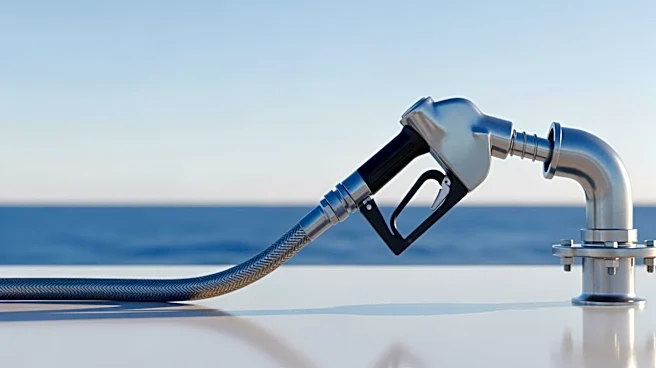
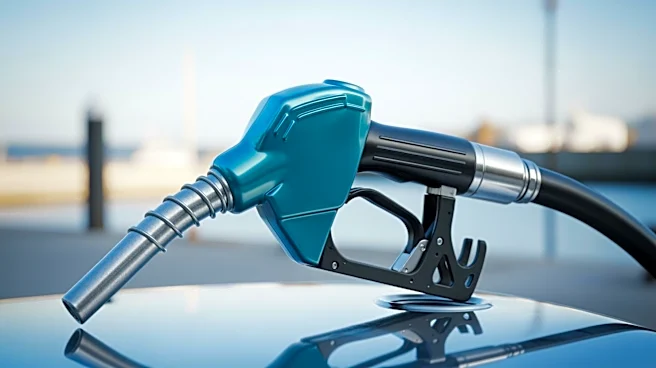
World Fuel Services, in partnership with West Coast Clean Fuels, has introduced a methanol bunkering capability for vessel owners and operators across U.S. ports. This initiative marks a significant step in providing a reliable and compliant solution
for the maritime industry as it transitions to lower-emission fuel alternatives. The companies have successfully completed an over-the-water methanol bunker fuel delivery in South Florida, showcasing a scalable and regulatory-compliant solution. This capability is supported by U.S. Coast Guard-approved procedures, trained personnel, and specialized equipment, making it ready for nationwide deployment. West Coast Clean Fuels is currently the only operator in the U.S. with Coast Guard-approved truck-to-ship methanol bunkering procedures, designed for rapid deployment to additional ports.
Why It's Important?
The establishment of methanol bunkering capabilities is crucial as the maritime industry seeks to reduce its carbon footprint and comply with stricter environmental regulations. Methanol is considered a cleaner alternative to traditional marine fuels, and its adoption could significantly lower emissions from shipping operations. This development provides shipowners and operators with practical access to integrate methanol into their fueling strategies, potentially influencing industry standards and encouraging wider adoption of sustainable fuels. The collaboration between World Fuel Services and West Coast Clean Fuels demonstrates a proactive approach to meeting regulatory requirements and shaping future guidelines, which could lead to broader industry shifts towards sustainable practices.
What's Next?
As the methanol bunkering capability is rolled out across U.S. ports, it is expected that more vessel operators will evaluate and potentially adopt methanol as a marine fuel. This could lead to increased demand for methanol bunkering services and further expansion of infrastructure to support this transition. Regulatory bodies may continue to refine guidelines based on the operational approaches developed by these companies, potentially influencing global maritime fuel standards. Stakeholders in the maritime industry, including shipowners, operators, and regulatory agencies, will likely monitor the implementation and impact of this initiative closely.