



What's Happening?
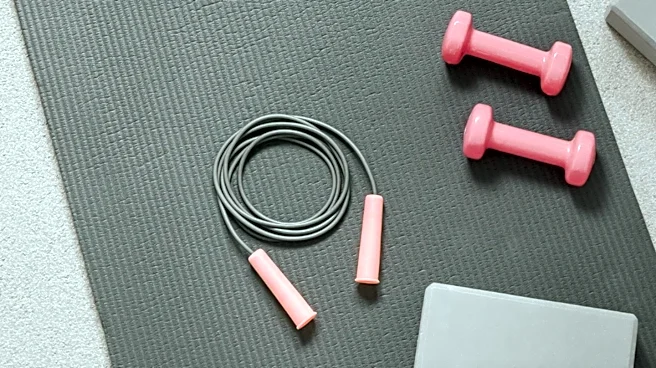
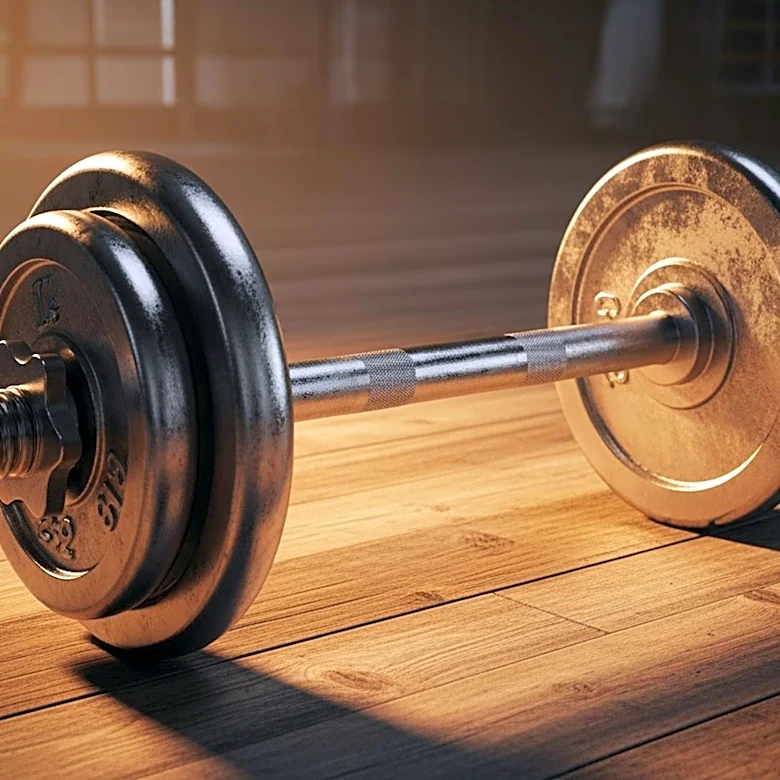
A range of fitness products that have gained popularity on TikTok are now available on Amazon, providing affordable and efficient solutions for home workouts. These products, which include items like vibration plates, weighted vests, and square dumbbells,
have become viral due to their effectiveness and aesthetic appeal. The Merach Vibration Plate, for instance, is praised for improving blood flow and muscle recovery, while the Zelus Weighted Vest is noted for enhancing power walks. The WeGym SafeGrip Square Dumbbells are favored for their stability and anti-slip design. These products are designed to be compact and versatile, making them suitable for small spaces and capable of targeting multiple muscle groups.
Why It's Important?
The rise of these TikTok-endorsed fitness products highlights a shift towards more accessible and cost-effective home workout solutions. As gym memberships and group classes can be expensive, these products offer a viable alternative for individuals seeking to maintain their fitness routines at home. The affordability and multifunctionality of these items make them attractive to a wide audience, potentially democratizing access to fitness resources. This trend also reflects the growing influence of social media platforms like TikTok in shaping consumer behavior and preferences, particularly in the fitness industry.
What's Next?
As these products continue to gain traction, it is likely that more fitness brands will leverage social media platforms to market their offerings. This could lead to an increase in the variety and innovation of home workout equipment available to consumers. Additionally, the success of these products may encourage more individuals to explore home fitness options, potentially impacting the traditional gym industry. Companies may also invest in developing new products that cater to the evolving needs of home fitness enthusiasts, further expanding the market.
Beyond the Headlines
The popularity of these fitness products underscores a broader cultural shift towards health and wellness, particularly in the context of the COVID-19 pandemic, which has accelerated the adoption of home-based fitness solutions. This trend may also have implications for urban living, as more people seek to optimize their living spaces for multifunctional use, including exercise. Furthermore, the reliance on social media for fitness inspiration and product recommendations highlights the changing landscape of consumer trust and the role of digital influencers in shaping purchasing decisions.