


What's Happening?
The augmented reality (AR) industry is undergoing significant changes as major players like Snap, Meta, and Google make strategic moves to expand their market presence. Snap has spun out its Specs unit to attract external investment and talent, signaling a shift from experimental projects to a more product-focused approach. Meanwhile, Meta has decided to prioritize U.S. shipments of its Ray-Ban Display glasses due to high domestic demand, delaying international rollouts. This decision highlights the importance of supply chain control in the AR market. Additionally, a legal battle looms as a smart-glasses maker has sued Meta and EssilorLuxottica, alleging patent infringement related to core audio and sensing technologies. This lawsuit could potentially
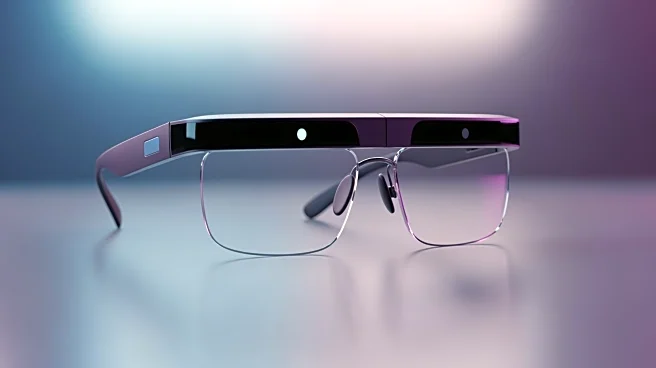
delay product features or regional launches. Warby Parker and Google are also entering the fray with plans to launch AI-powered glasses, aiming to provide a lightweight, screen-free alternative to smartphones. Snap is investing heavily in AR development, with over $3 billion allocated to content and ecosystem enhancements, preparing for a major consumer push in 2026.
Why It's Important?
These developments in the AR industry are crucial as they indicate a shift towards mainstream adoption of AR technologies. The prioritization of U.S. markets by Meta underscores the strategic importance of controlling supply chains and meeting domestic demand, which could set a precedent for other tech companies. The legal challenges faced by Meta and EssilorLuxottica highlight the competitive and litigious nature of the tech industry, where intellectual property rights are fiercely protected. The entry of Warby Parker and Google into the AR space suggests a growing interest in integrating AI with everyday eyewear, potentially transforming how consumers interact with technology. Snap's significant investment in AR content and ecosystem development reflects the industry's focus on creating practical and appealing applications for consumers, which could drive further innovation and adoption.
What's Next?
The AR industry is poised for further developments as companies navigate legal challenges and strive to meet consumer demand. The outcome of the patent lawsuit against Meta and EssilorLuxottica could influence future product designs and market strategies. As Warby Parker and Google prepare to launch their AI glasses, the market may see increased competition and innovation in wearable technology. Snap's continued investment in AR content suggests that the company is committed to enhancing the user experience, which could lead to new applications and use cases for AR technology. The focus on U.S. markets by major players like Meta may prompt other companies to reassess their global strategies and prioritize regions with the highest demand.
Beyond the Headlines
The AR industry's evolution raises important questions about privacy, data security, and the ethical use of technology. As AR devices become more integrated into daily life, concerns about data collection and user consent may become more prominent. The legal battles over patents highlight the need for clear regulations and standards in the tech industry to foster innovation while protecting intellectual property. The push towards AI integration in eyewear also suggests a future where technology becomes increasingly seamless and unobtrusive, potentially changing societal norms around technology use and interaction.