


What's Happening?
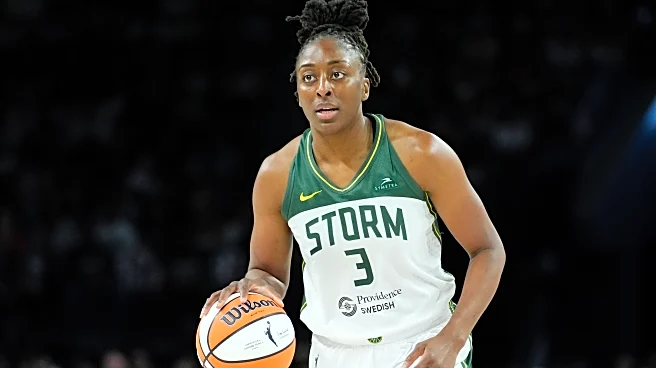
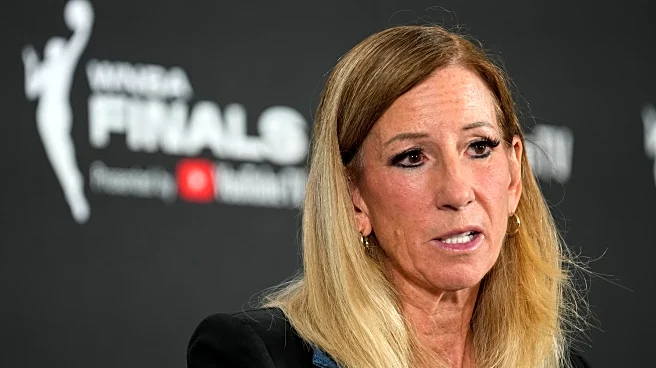
The WNBA and its players union have signed a term sheet for a new seven-year collective bargaining agreement (CBA), marking a significant milestone in the league's history. The agreement, which awaits ratification by the players and approval from the league's Board
of Governors, introduces several transformative changes. Key features include a salary cap increase, with top players potentially earning over $1 million for the first time. The CBA also mandates enhanced training and treatment resources, improved travel accommodations, and expanded retirement benefits. The agreement is seen as a defining moment for women's professional sports, reflecting the league's progress and commitment to its athletes.
Why It's Important?
This new CBA is crucial as it addresses long-standing issues in the WNBA, such as low salaries and inadequate facilities. By significantly increasing player compensation and improving working conditions, the agreement aims to attract and retain top talent, thereby enhancing the league's competitiveness and visibility. The introduction of a revenue-sharing model is a historic step in women's sports, potentially setting a precedent for other leagues. The deal also emphasizes the importance of player welfare, with provisions for housing and healthcare, which could lead to a more sustainable and appealing career path for athletes.
What's Next?
The next steps involve the ratification of the CBA by the players and approval by the WNBA Board of Governors. Once ratified, the league will begin implementing the new standards and benefits outlined in the agreement. Teams will need to adjust their operations to comply with the new facility and staffing requirements. The league's focus will likely shift towards marketing and expanding its fan base, leveraging the improved player conditions to boost its profile. Stakeholders will be watching closely to see how these changes impact the league's growth and the broader landscape of women's sports.