




What's Happening?
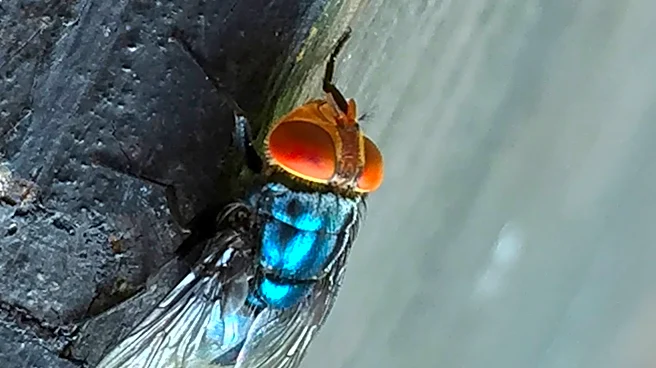
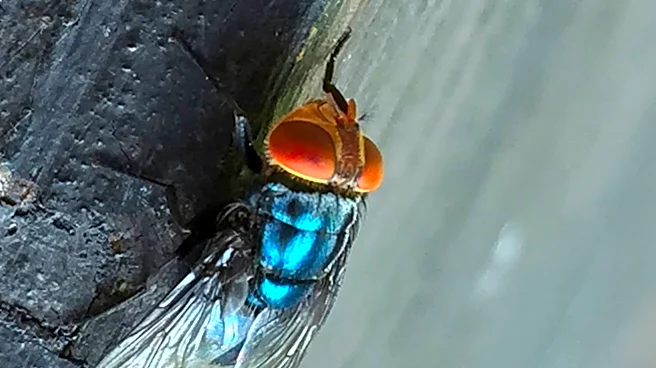
The recent detection of the New World screwworm in the United States has led to significant fluctuations in the fed cattle futures market. Despite this volatility, experts assure that the pest does not compromise meat quality or consumer safety. David
Anderson, Ph.D., an agricultural economist with Texas A&M AgriLife Extension, clarified that while the screwworm can infest warm-blooded animals, including livestock and pets, it is not a food safety issue. Early detection and treatment of infestations ensure that the meat remains safe for consumption. Following the announcement of the screwworm's presence, cattle futures experienced a sharp decline, with prices dropping from approximately $250 per hundredweight to $229 within a week. However, Anderson noted that retail beef prices typically stabilize and decrease after the peak grilling season, suggesting that the current situation should not affect retail prices significantly.
Why It's Important?
The detection of the screwworm is significant due to its potential impact on the cattle industry, a vital sector of the U.S. economy. Although the pest has caused market volatility, the assurance that meat safety is not compromised is crucial for maintaining consumer confidence. The U.S. beef industry is currently facing challenges, including a historically small cow herd and reduced beef production compared to the previous year. Despite these challenges, strong consumer demand is expected to keep beef prices elevated, particularly during the summer grilling season. The situation underscores the importance of effective pest management and the role of the U.S. Department of Agriculture in deploying sterile flies to control the screwworm population. Livestock producers are advised to implement preventative measures and report any cases to ensure the pest is managed effectively.
What's Next?
Moving forward, livestock producers are encouraged to maintain vigilant herd management practices, including treating wounds and monitoring animals for signs of screwworm infestation. Consulting veterinarians and reporting cases to the U.S. Department of Agriculture are essential steps in controlling the pest. The deployment of sterile flies remains a key strategy in managing the screwworm population. As the summer progresses, beef prices are expected to remain high due to strong consumer demand, although they may ease later in the year. The industry will continue to monitor the situation closely to ensure that the screwworm does not pose a long-term threat to livestock health or market stability.