


What's Happening?
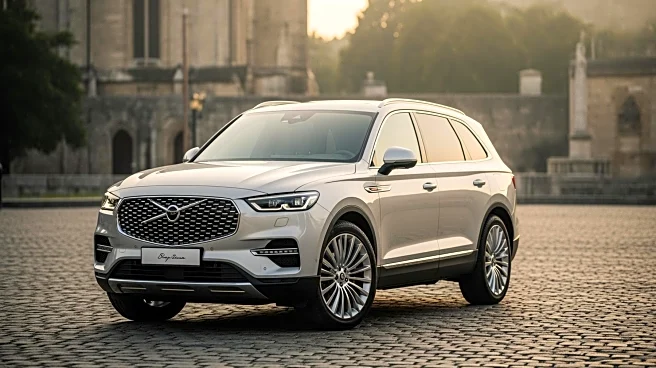
Ford CEO Jim Farley and his wife, Lia, have presented a specially customized Explorer SUV to Pope Leo XIV. The vehicle, a black Explorer Platinum, was assembled at Ford's Chicago Assembly Plant and features a 3.3-liter V6 hybrid powertrain and a 10-speed
hybrid transmission. The SUV includes personalized touches such as vanity license plates reading 'DA POPE' and 'LEO XIV', and interior details like the Chicago skyline stitched into the center console. The vehicle was delivered during a private audience with the American-born pontiff on February 28. Employees at the plant were aware they were building a vehicle for a VIP but were not informed it was for the pope until later. The SUV is intended for use within the Vatican grounds.
Why It's Important?
This gesture by Ford highlights the company's commitment to high-profile, customized projects that enhance its brand visibility and reputation. By gifting a vehicle to Pope Leo XIV, Ford not only strengthens its ties with influential figures but also showcases its manufacturing capabilities and attention to detail. The event underscores the cultural and symbolic significance of such collaborations, potentially boosting Ford's image among Catholic communities and beyond. It also reflects the company's ability to integrate modern technology with personalized craftsmanship, appealing to a diverse range of stakeholders.
What's Next?
The presentation of the Explorer SUV to Pope Leo XIV may lead to further collaborations between Ford and other high-profile figures or institutions. The positive reception of this gesture could encourage Ford to pursue similar projects, enhancing its brand prestige. Additionally, the vehicle's use within the Vatican may inspire other automakers to engage in similar initiatives, fostering a trend of bespoke automotive gifts to influential leaders. The impact on Ford's market perception and potential increase in demand for customized vehicles could be significant.
Beyond the Headlines
This event highlights the intersection of religion and modern technology, illustrating how traditional institutions like the Vatican are embracing contemporary advancements. The collaboration between Ford and the Vatican may prompt discussions on the role of technology in religious settings and how it can be leveraged to enhance operational efficiency. Furthermore, the project reflects a broader trend of personalization in the automotive industry, where manufacturers are increasingly catering to the unique preferences of high-profile clients.