







What's Happening?
Amazon has announced a 3.5% fuel and logistics surcharge on third-party sellers using its platform, effective April 17. This decision comes in response to increased fuel prices attributed to the ongoing conflict in Iran. The surcharge will apply to sellers utilizing
Amazon's Fulfillment by Amazon service, as well as those using Buy with Prime and Multi-Channel Fulfillment options starting May 2. Amazon stated that elevated costs in fuel and logistics have increased operational expenses across the industry, prompting the need for temporary surcharges to partially recover these costs. The company emphasized that the surcharge is lower than those imposed by other major carriers, such as United Parcel Service and FedEx, which have also increased their fuel surcharges. The United States Postal Service recently announced an 8% fuel surcharge effective April 26, lasting until January 17, 2027.
Why It's Important?
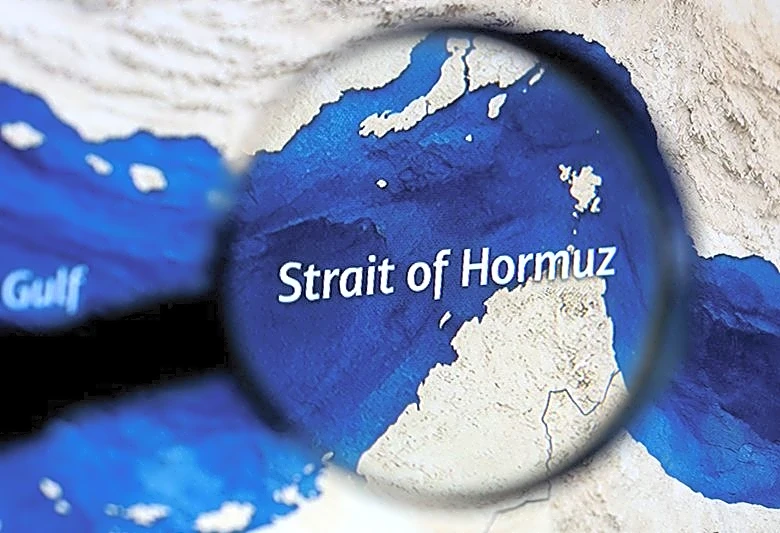
The imposition of a surcharge by Amazon highlights the broader impact of geopolitical events on global commerce and logistics. As fuel prices rise due to the conflict in Iran, businesses are forced to adjust their pricing strategies to maintain profitability. This surcharge could affect the cost structure for third-party sellers on Amazon, potentially leading to higher prices for consumers. It underscores the interconnectedness of international events and domestic economic conditions, as U.S. businesses and consumers may face increased costs due to external factors. The move by Amazon, along with similar actions by other carriers, reflects the challenges companies face in managing operational costs in volatile geopolitical climates.
What's Next?
As the surcharge takes effect, third-party sellers on Amazon may need to reassess their pricing strategies to accommodate the increased costs. This could lead to price adjustments for consumers, impacting sales and competitiveness on the platform. Sellers might explore alternative fulfillment options or negotiate with Amazon for better terms. Additionally, the ongoing conflict in Iran could continue to influence fuel prices, prompting further adjustments by logistics companies. Stakeholders, including sellers and consumers, will likely monitor the situation closely to adapt to changing economic conditions.