
What's Happening?
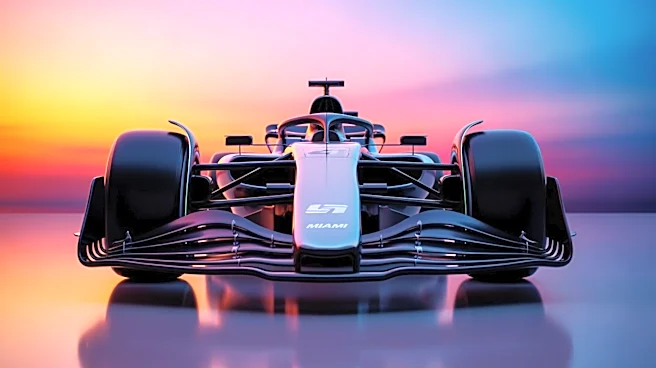
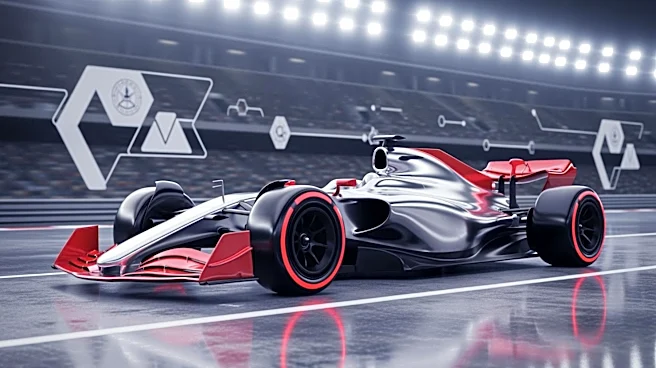
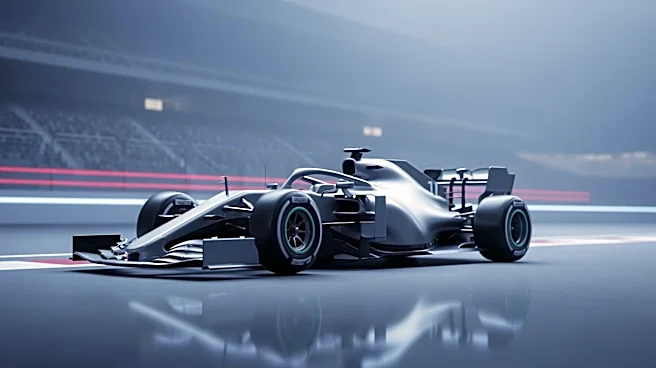
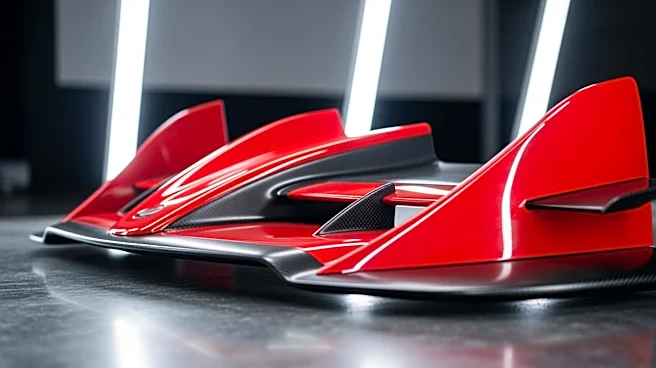
Red Bull Racing has unveiled a significant upgrade to their Formula 1 car's front wing during the Miami Grand Prix. The new design features a larger, flatter winglet on the outer surface of the endplates,
a change from their previous design which lacked such components. This modification aims to improve the car's aerodynamic efficiency by enhancing the outwash effect, which helps manage airflow around the front tires. The upgrade is part of a broader effort by Red Bull and other teams to optimize their vehicles under the 2026 F1 regulations, which allow for such winglet designs. The changes are intended to reduce drag while maintaining or increasing downforce, thereby improving overall performance on the track.
Why It's Important?
The introduction of this new front wing design by Red Bull Racing is a strategic move to gain a competitive edge in the highly competitive Formula 1 landscape. Aerodynamic efficiency is crucial in F1, as it directly impacts a car's speed and handling. By reducing drag and optimizing downforce, Red Bull aims to enhance their car's performance, potentially leading to better race results. This development also highlights the ongoing technological arms race in Formula 1, where teams continuously innovate to comply with evolving regulations while seeking performance advantages. The success of such upgrades can influence team standings and driver performance, affecting sponsorships, fan engagement, and the overall dynamics of the championship.
What's Next?
As Red Bull Racing implements these upgrades, the team will closely monitor their performance in upcoming races to assess the effectiveness of the changes. Other teams are likely to respond with their own innovations, leading to a continuous cycle of development and competition. The impact of these upgrades will be evaluated in terms of race results and feedback from drivers, which will inform future design decisions. Additionally, the broader F1 community will watch closely to see if these changes set a new standard for aerodynamic design under the current regulations.