



What's Happening?
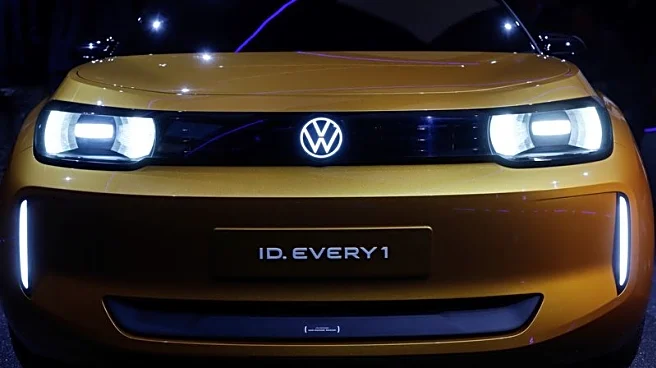
Volkswagen Group has announced plans to reduce costs by 20% across all its brands by the end of 2028. This decision is driven by several factors, including tariffs in the United States, increased global competition, and a downturn in the Chinese market. The company is considering various measures to achieve these savings, such as potential plant closures and broader cost reductions. This move comes as part of Volkswagen's strategy to navigate the challenging economic landscape and maintain its competitive edge in the automotive industry.
Why It's Important?
The cost-cutting initiative by Volkswagen is significant as it reflects the broader challenges faced by the automotive industry, particularly in the electric vehicle (EV) sector. With major players like GM, Ford,
Stellantis, and Honda also writing down billions in EV investments, Volkswagen's decision underscores the financial pressures and strategic shifts required to adapt to changing market dynamics. The reduction in costs could impact jobs, production capabilities, and the company's ability to innovate, affecting stakeholders across the supply chain and potentially influencing market prices and consumer choices.
What's Next?
Volkswagen's cost-cutting measures may lead to plant closures and restructuring efforts, which could have significant implications for employees and local economies dependent on these facilities. The company will likely engage with stakeholders, including labor unions and government entities, to navigate the potential impacts. Additionally, Volkswagen's strategy may prompt other automakers to reassess their cost structures and investment strategies, potentially leading to industry-wide shifts in production and employment practices.