






What's Happening?
Dr. Trisha Pasricha, a gastroenterologist, addresses common misconceptions about irritable bowel syndrome (IBS) and emphasizes the availability of effective treatments. Despite the prevalence of unscientific remedies on social media, there are well-researched
options for managing IBS symptoms. These include dietary adjustments, such as soluble fiber and the low FODMAP diet, as well as medications targeting gut function. Dr. Pasricha highlights the importance of understanding the underlying physiological changes in the gut associated with IBS.
Why It's Important?
The dissemination of accurate information about IBS is crucial for improving patient outcomes and reducing stigma. Many individuals with IBS suffer from misinformation and inadequate treatment, leading to unnecessary discomfort and frustration. By highlighting evidence-based treatments, healthcare providers can empower patients to make informed decisions about their care. This approach also underscores the need for continued research and education to combat misinformation and enhance public understanding of gastrointestinal disorders.
What's Next?
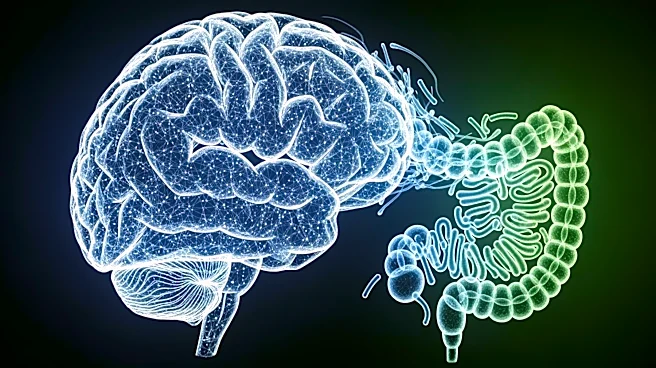
Efforts to raise awareness about IBS and promote evidence-based treatments are likely to continue, particularly during IBS Awareness Month. Healthcare providers may focus on educating patients and the public about the condition's physiological basis and available therapies. Additionally, ongoing research into the gut-brain connection and the development of new treatments could further improve the management of IBS in the future.