


What's Happening?
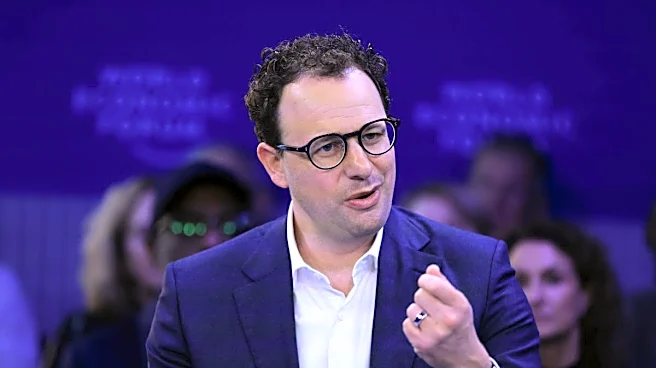
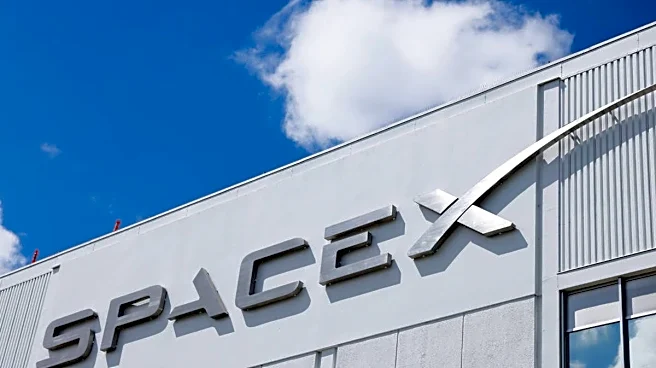
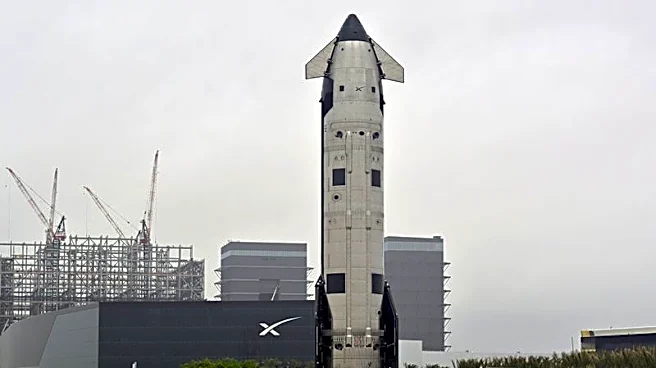
Wedbush Securities analyst Dan Ives has suggested that SpaceX and Tesla, both led by Elon Musk, may merge in 2027. This prediction follows SpaceX's anticipated initial public offering (IPO), which is expected to be the largest ever. Ives notes that the two
companies are already closely linked through joint projects, such as the Terafab initiative aimed at developing AI chips for Tesla's robotaxis and humanoid robots. Additionally, Tesla's $2 billion investment in xAI, which was converted into SpaceX shares, further ties the two companies together. Ives believes that Musk's ambition to dominate the AI ecosystem could drive the merger, creating a powerful entity in the tech industry.
Why It's Important?
The potential merger of SpaceX and Tesla could significantly impact the tech and automotive industries. A combined entity would consolidate Musk's influence over AI, space exploration, and electric vehicles, potentially leading to innovations that could reshape these sectors. The merger could also result in a company with a market valuation exceeding $3 trillion, raising concerns about market concentration and the influence of a single entity on the tech market. This development could affect investors, competitors, and regulatory bodies, prompting discussions on antitrust issues and market dynamics.
What's Next?
If the merger proceeds, it could lead to strategic realignments within the tech and automotive industries. Competitors may need to reassess their strategies to compete with a more powerful entity. Regulatory scrutiny is likely, as authorities may examine the merger's implications for market competition and consumer choice. Stakeholders, including investors and industry leaders, will closely monitor developments, as the merger could set a precedent for future consolidations in the tech sector.