

What's Happening?
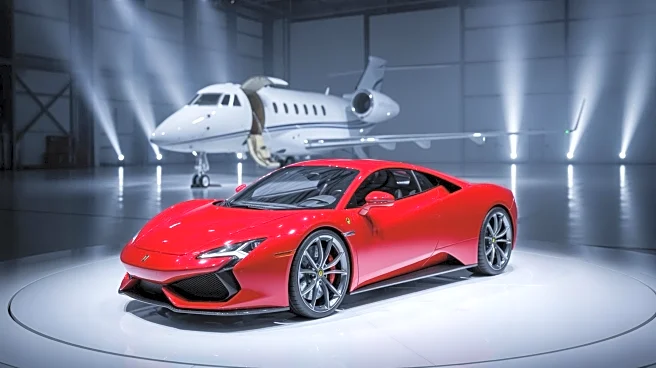
Ferrari and other luxury car manufacturers are adjusting their delivery strategies in response to disruptions caused by conflict and restrictions in the Strait of Hormuz. Ferrari has started flying specially ordered supercars to wealthy customers in the Middle
East, significantly increasing air freight costs compared to traditional sea transport. This move is part of a broader effort by luxury car brands to maintain relationships with affluent clients in the region, despite logistical challenges. Maserati has suspended most deliveries, while Mansory is evaluating requests on a case-by-case basis. Rolls-Royce is also adapting its delivery methods, although specific details have not been disclosed. The Middle East remains a high-profit destination for ultra-high-end vehicles, despite smaller sales volumes compared to markets like the US or China.
Why It's Important?
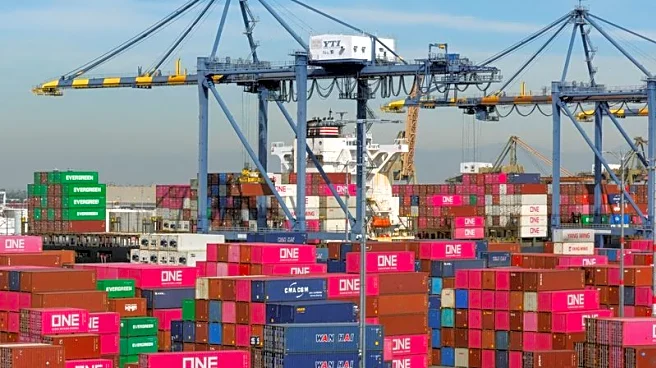
The decision by Ferrari and other luxury car brands to fly vehicles directly to clients highlights the economic significance of the Middle East market for high-end automobiles. The region's demand for customized, expensive vehicles makes it a lucrative market, prompting manufacturers to find innovative solutions to logistical challenges. The ongoing conflict and shipping disruptions have broader implications for global supply chains, affecting not only luxury car deliveries but also the used-car trade from countries like Japan and South Korea. These disruptions could lead to increased costs for manufacturers and consumers, as well as potential delays in receiving vehicles. The situation underscores the interconnectedness of global trade and the impact of geopolitical events on economic activities.
What's Next?
As the conflict in the Middle East continues, luxury car manufacturers may need to further adapt their strategies to ensure timely deliveries to clients. This could involve exploring alternative shipping routes or increasing reliance on air freight, despite the higher costs. The broader auto trade may also need to adjust to ongoing disruptions, potentially affecting inventory management and sales strategies. Stakeholders, including manufacturers, dealers, and consumers, will likely monitor the situation closely to mitigate risks and adapt to changing circumstances. The long-term impact on the luxury car market in the region will depend on the resolution of the conflict and the restoration of normal shipping routes.
Beyond the Headlines
The shift in delivery strategies by luxury car manufacturers may have ethical and environmental implications. The increased use of air freight, while necessary for maintaining client relationships, contributes to higher carbon emissions compared to sea transport. This raises questions about the environmental responsibility of luxury brands and their commitment to sustainable practices. Additionally, the focus on serving wealthy clients in conflict-affected regions highlights the disparities in access to goods and services, prompting discussions about the role of luxury brands in addressing broader societal issues. As manufacturers navigate these challenges, they may need to balance economic interests with ethical considerations and environmental impact.