



What's Happening?
In celebration of Earth Day 2026, a selection of children's books has been curated to educate young readers about environmental issues and the importance of ecological conservation. These books, aimed at various age groups, cover topics such as the significance
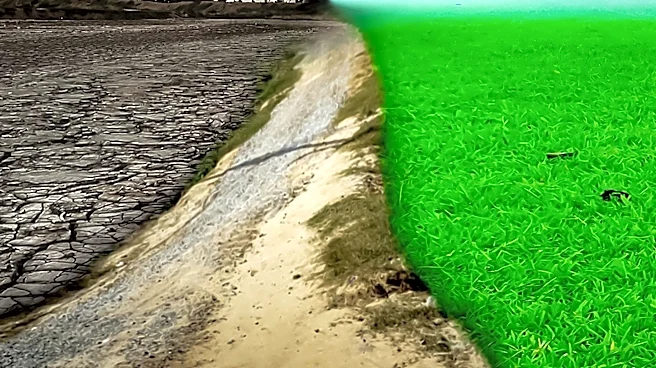
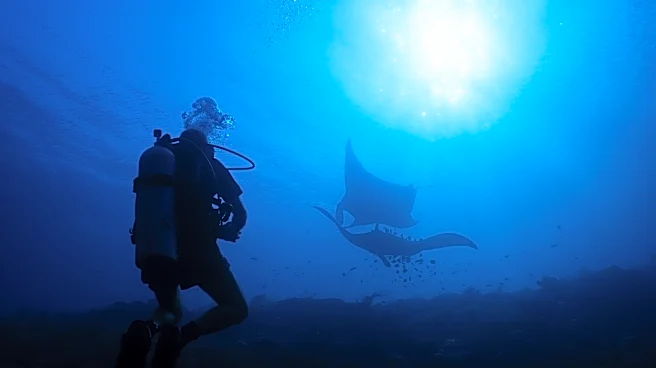
of trees, coral reef preservation, and the role of soil in supporting life. Notable titles include 'Just One Oak' by Maria Gianferrari, which emphasizes the oak tree's role as a keystone species, and 'Creatures of the Coral Reef' by Martin Jenkins, which addresses the challenges faced by coral reefs due to rising water temperatures. The collection also features 'The Big Green: A Story About the Great Green Wall of Africa' by Ken Wilson-Max, highlighting efforts to combat desertification through tree planting across Africa. These books aim to inspire young readers to appreciate and protect the natural world.
Why It's Important?
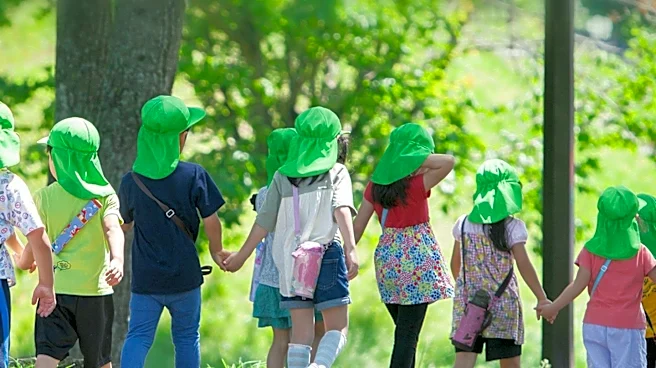
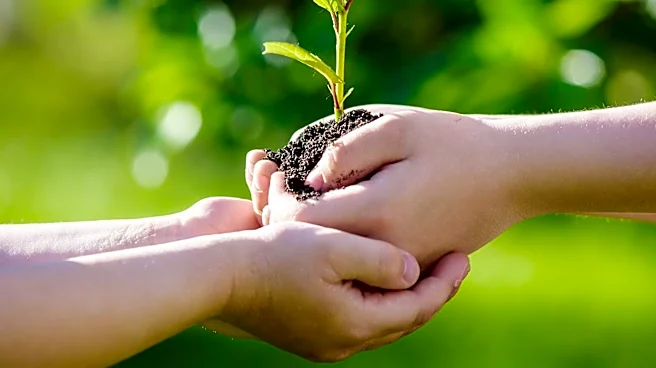
The promotion of children's books focused on environmental themes is crucial in fostering early awareness and understanding of ecological issues. By engaging young readers with stories about nature and conservation, these books can instill a sense of responsibility and stewardship for the environment. As climate change and environmental degradation continue to pose significant challenges globally, educating the next generation is vital for encouraging proactive measures and sustainable practices. These books not only provide knowledge but also empower children to become advocates for the planet, potentially influencing future policies and societal attitudes towards environmental conservation.
What's Next?
As Earth Day approaches, schools and libraries may incorporate these books into their educational programs, using them as tools to spark discussions about environmental issues. Authors and illustrators might participate in events or workshops to further engage with young audiences, promoting interactive learning experiences. Additionally, publishers could continue to expand their offerings of eco-centric literature, responding to growing demand for educational materials that address climate change and sustainability. This trend may lead to increased collaboration between environmental organizations and the publishing industry to develop resources that support ecological education.
Beyond the Headlines
The emphasis on children's literature as a medium for environmental education highlights the broader cultural shift towards sustainability and eco-consciousness. As society becomes more aware of the impacts of climate change, there is a growing demand for educational content that reflects these concerns. This trend may influence other sectors, such as media and entertainment, to incorporate environmental themes into their narratives, further promoting awareness and action. Additionally, the focus on young readers underscores the importance of intergenerational dialogue in addressing ecological challenges, encouraging families to engage in conversations about sustainability and conservation.