

What's Happening?
Unilever, a major global consumer goods company, has announced a temporary hiring freeze due to significant challenges arising from the ongoing conflict in the Middle East. The company, which owns brands such as Dove and Axe, stated that the hiring pause
will affect all levels of staff and is expected to last for at least three months. This decision comes as the U.S.-Iran war, which began on February 28, has led to soaring oil prices, impacting various sectors including airlines and retail. The conflict has disrupted supply chains and increased inflationary pressures, affecting consumer spending on discretionary items. Unilever had previously committed to cost savings measures, including reducing office-based roles, and has already achieved significant savings. The company remains agile and plans to adjust its strategies as necessary in response to the uncertain external environment.
Why It's Important?
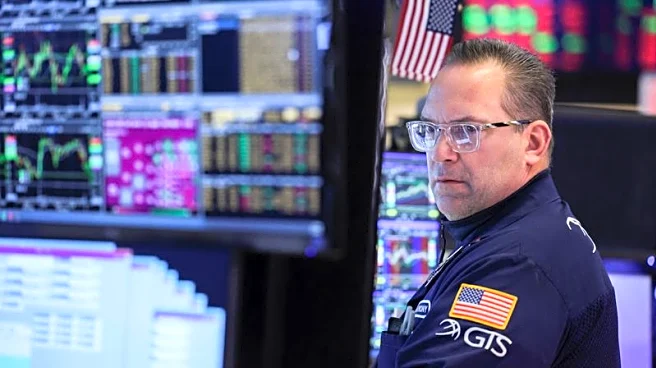
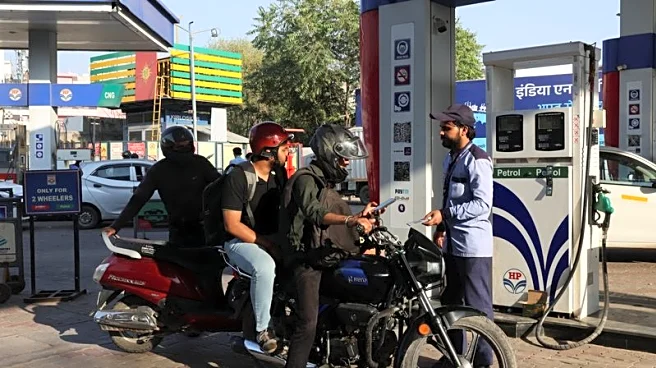
The hiring freeze by Unilever highlights the broader economic impact of geopolitical conflicts, particularly the U.S.-Iran war. The rise in oil prices has led to increased costs for transportation and goods, contributing to inflationary pressures that affect consumer spending. Retail companies are facing higher costs due to supply chain disruptions, which may lead to price hikes if the instability continues. The situation underscores the vulnerability of global businesses to geopolitical events and the need for strategic adjustments to mitigate risks. The consumer goods sector, along with airlines and food industries, are among those most affected, potentially leading to changes in employment and pricing strategies.
What's Next?
Unilever's hiring freeze is expected to last for three months, during which the company will monitor the geopolitical situation and its economic implications. If the conflict persists, businesses may need to implement further cost-saving measures or adjust pricing strategies to cope with inflationary pressures. Retail companies have already warned of potential price increases, and the impact on consumer spending could lead to shifts in market dynamics. Stakeholders, including businesses and policymakers, will likely continue to assess the situation and explore ways to stabilize the economic environment.