





What's Happening?
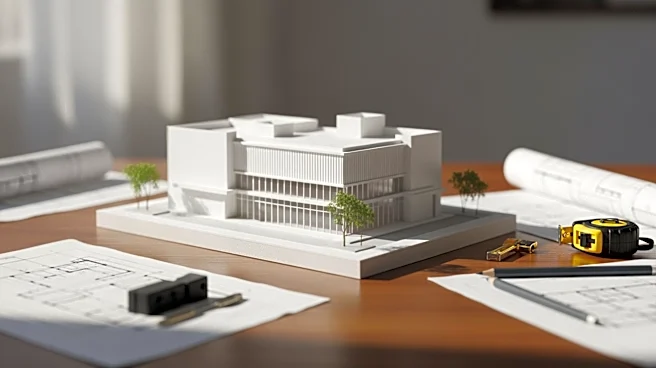
CoStar Group has reported a significant decline in U.S. retail construction activity during the first quarter of 2026. The data indicates that approximately 64.2 million square feet of retail space was under construction, a decrease from 70 million square feet the previous
year. This figure is also well below the 10-year average, which consistently exceeded 90 million square feet during the last expansion cycle. The decline is attributed to rising land prices, construction costs, and interest rates, which have pushed required rents above prevailing market levels. Developers are cautious due to heightened supply risk awareness, and retailers are favoring smaller, more selective growth strategies. The report highlights that while some markets like Dallas, Houston, and Austin show strong tenant demand with pre-leased spaces, other regions are experiencing higher levels of unleased space.
Why It's Important?
The decline in retail construction activity reflects broader economic challenges facing the U.S. real estate market. Rising costs and interest rates are making new developments financially unfeasible, impacting developers and retailers alike. This trend could lead to a slowdown in economic growth, particularly in regions heavily reliant on retail development. The cautious approach by developers and retailers may also affect job creation and consumer spending, as fewer new retail spaces are available. Additionally, the competition from e-commerce continues to pressure traditional retail formats, influencing the strategic decisions of businesses in the sector.
What's Next?
As the retail construction activity remains low, stakeholders in the real estate market may need to adapt to the changing landscape. Developers might explore alternative projects such as mixed-use developments or focus on renovating existing spaces. Retailers could continue to prioritize online platforms and smaller physical footprints. Policymakers might consider incentives to stimulate construction activity and address the economic challenges posed by high costs and interest rates. The ongoing competition with e-commerce will likely drive further innovation in retail strategies.