







What's Happening?
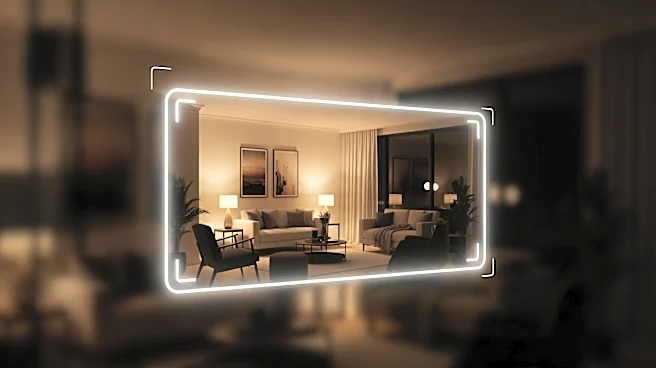
The use of video walkthroughs in the home buying process has become increasingly common, especially since the COVID-19 pandemic. According to the National Association of Realtors, 5% to 7% of buyers now purchase homes based solely on virtual tours. This
trend is particularly beneficial for relocators and out-of-state buyers who cannot visit properties in person. However, video walkthroughs can also obscure potential issues with a property. Experts advise that these virtual tours should not replace professional home inspections. Buyers are encouraged to actively engage during the walkthrough by asking the person conducting the tour to check for specific issues, such as water pressure, plumbing age, and signs of water damage. The walkthrough should also include a thorough examination of mechanical systems and the exterior of the property.
Why It's Important?
The rise of video walkthroughs reflects a significant shift in the real estate market, driven by technological advancements and changing consumer behaviors. This trend has implications for both buyers and sellers. For buyers, it offers convenience and accessibility, but also poses risks if not conducted carefully. For sellers, it provides a broader reach to potential buyers who may not be able to visit in person. The reliance on virtual tours underscores the importance of transparency and thoroughness in the home buying process. It also highlights the need for buyers to remain vigilant and informed, ensuring they do not overlook critical issues that could lead to costly repairs or dissatisfaction with their purchase.
What's Next?
As video technology continues to improve, the use of virtual tours in real estate is likely to grow. Buyers and real estate professionals may increasingly rely on these tools, necessitating the development of best practices and guidelines to ensure transparency and accuracy. Real estate agents may need to enhance their skills in conducting virtual tours and addressing buyer concerns remotely. Additionally, there may be a push for regulatory standards to protect consumers from potential pitfalls associated with virtual home buying.