


What's Happening?
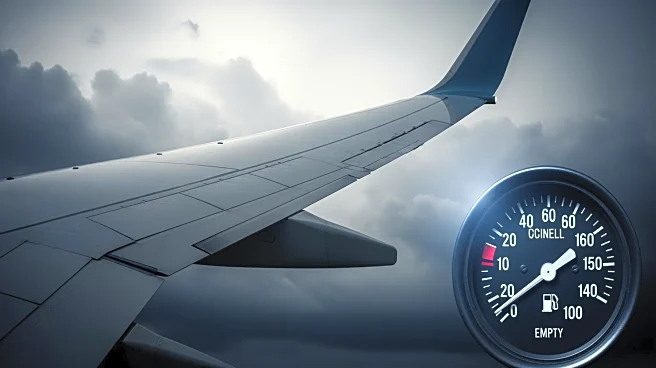
U.S. airline stocks have entered a bear market due to rising fuel costs driven by the ongoing conflict in the Middle East. The S&P Supercomposite Airlines Industry Index fell by 4.1%, marking a decline of over 22% from its recent peak. The surge in jet
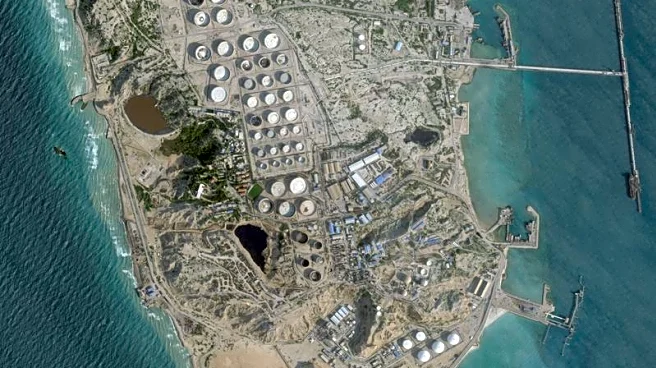
fuel prices poses an 'existential threat' to airlines, with Deutsche Bank warning that prolonged high prices could force carriers to ground aircraft. The conflict in Iran has disrupted oil supplies, leading to increased fuel costs, which account for a significant portion of airline expenses. Analysts predict that airlines may need to raise ticket prices to offset these costs.
Why It's Important?
The rising fuel costs present a significant challenge for the airline industry, which is already operating on thin margins. The increased expenses could lead to financial strain, particularly for weaker carriers, potentially resulting in bankruptcies or operational halts. The situation also impacts consumer travel behavior, as higher ticket prices may deter travel, affecting airline revenues. The broader economic implications include potential inflationary pressures as fuel costs rise, impacting various sectors reliant on transportation.
What's Next?
Airlines are expected to adjust their pricing strategies to manage the increased fuel costs. The industry will closely monitor developments in the Middle East, as any escalation could further impact oil prices and supply chains. Analysts suggest that while the U.S. market may remain resilient, the global airline industry could face significant disruptions if the conflict persists. The situation underscores the need for strategic planning and cost management within the airline sector.