


What's Happening?
A new study from Chester Medical School in England has found that the Mediterranean diet is associated with a lower risk of fractures, while calorie-restricted diets may increase the risk of bone loss. The research analyzed data from over 500,000 adults
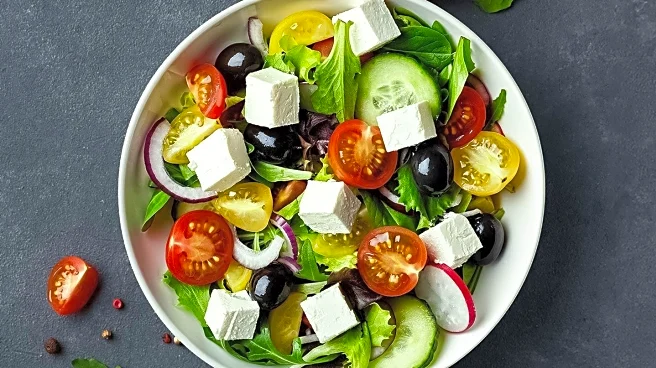
across 30 studies, examining the effects of various diets on bone health. The Mediterranean diet, which includes high consumption of vegetables, fruits, whole grains, and olive oil, was linked to a reduced risk of hip and overall fractures. In contrast, diets that significantly restrict calories were found to increase markers of bone resorption, the process by which bone tissue is broken down.
Why It's Important?
This study underscores the importance of dietary patterns in maintaining bone health, particularly as calorie-restricted diets are popular for weight loss. The findings suggest that while such diets may help with weight management, they could also lead to increased bone fragility. This has significant implications for public health, as it highlights the need for balanced nutrition that supports both weight management and bone health. The Mediterranean diet's benefits could influence dietary guidelines and recommendations, promoting a holistic approach to health that considers long-term skeletal health.
What's Next?
The study's findings may lead to increased advocacy for the Mediterranean diet as a preventive measure against bone-related health issues. Healthcare providers might begin to recommend this diet more frequently to patients at risk of osteoporosis or fractures. Additionally, further research could explore the specific components of the Mediterranean diet that contribute to its protective effects on bones. Public health campaigns may also focus on educating the public about the risks associated with extreme calorie restriction and the importance of nutrient-rich diets for overall health.