







What's Happening?
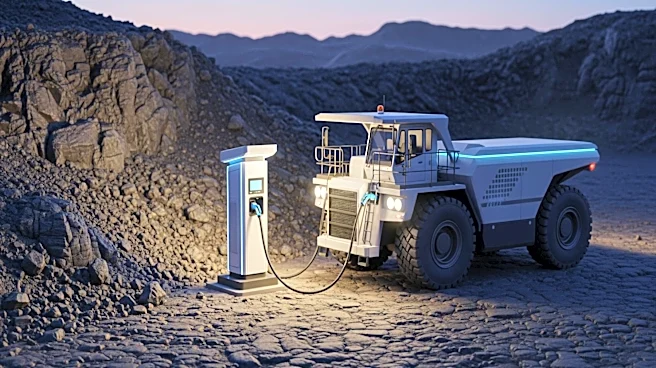
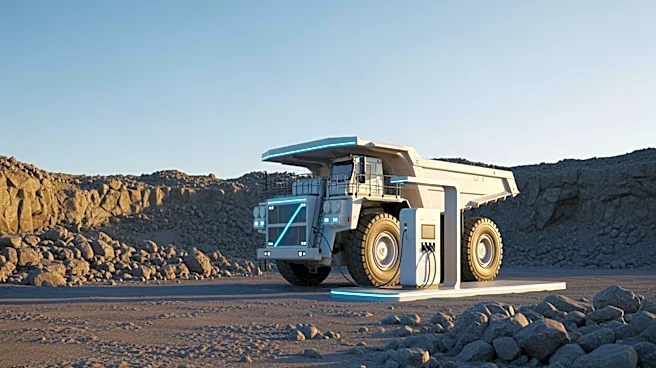
Vale Base Metals is advancing its decarbonization efforts by implementing electric mine initiatives across its operations. At the Electric Mine Conference in Lisbon, technical director Tom Krumins outlined the company's strategy, which includes full electrification
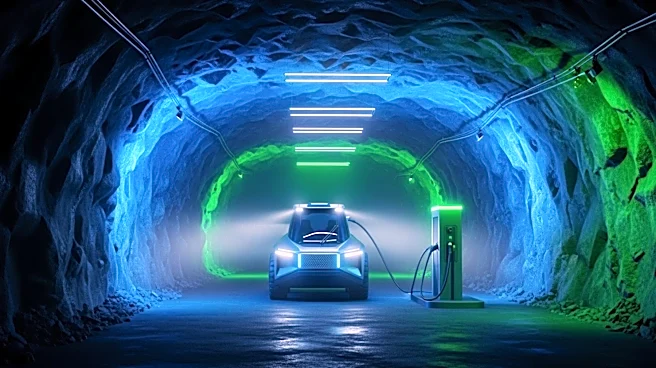
and diesel substitution programs. Vale is replacing S500 diesel with cleaner S10 premium diesel, aiming for a 7% reduction in diesel consumption and associated greenhouse gas emissions. The company is also installing real-time data technology and introducing an autonomous fleet at its Salobo operations in Brazil. In Canada, Vale's Sudbury operations are leveraging decades of electrification experience, with over 40 electric vehicles in use.
Why It's Important?
Vale's decarbonization strategy reflects a broader industry shift towards sustainable mining practices. By reducing diesel consumption and increasing electrification, Vale aims to lower its carbon footprint and improve operational efficiency. These initiatives align with global efforts to combat climate change and transition to cleaner energy sources. The company's approach could set a benchmark for other mining companies, encouraging the adoption of similar practices. Additionally, Vale's focus on sustainable operations may enhance its reputation and competitiveness in the global market, attracting environmentally conscious investors and partners.
What's Next?
Vale will continue to explore and implement innovative solutions to achieve its decarbonization goals. The company plans to conduct biofuel trials and investigate high-ethanol fuel substitutions, potentially reducing emissions by up to 35%. As Vale progresses with its electrification and sustainability initiatives, it may face challenges related to technology adoption and capital investment. However, the company's commitment to reducing its environmental impact could lead to long-term benefits, including cost savings and regulatory compliance. The mining industry will likely monitor Vale's progress, as successful implementation could influence future industry standards and practices.