



What's Happening?
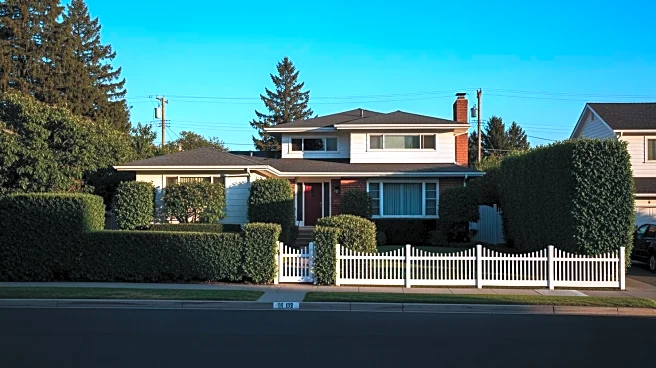
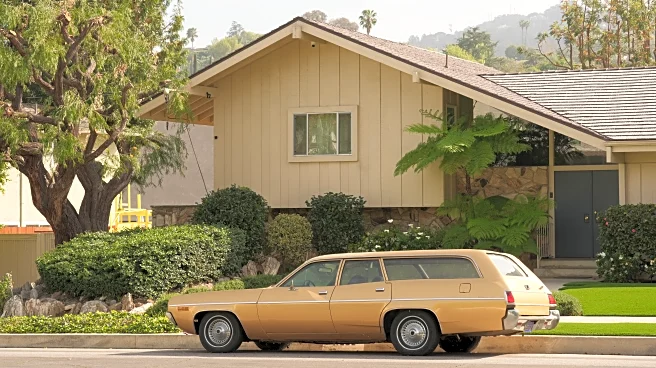
The Los Angeles City Council has officially designated the Studio City house, known for its role in the iconic television series 'The Brady Bunch,' as a historic-cultural monument. This decision, passed unanimously by a 13-0 vote, provides landmark protections
to the 1970s-era home located on Dilling Avenue in the San Fernando Valley. The house, which served as the exterior setting for the sitcom from 1969 to 1974, has become a cultural symbol, further popularized by its appearance in 'The Brady Bunch Movie' and its sequel. The Los Angeles Conservancy praised the council's decision, highlighting the home's significance in shaping perceptions of suburban Los Angeles living. HGTV, which purchased and renovated the home to reflect its 1970s appearance, sold it to Tina Trahan for $3.2 million. Trahan plans to use the house for charity events, maintaining its status as a piece of television history.
Why It's Important?
The designation of the 'Brady Bunch' house as a historic-cultural monument underscores the cultural and historical value of television landmarks in American society. This move not only preserves a piece of television history but also highlights the importance of protecting cultural icons that have shaped public perceptions and nostalgia. The decision reflects a broader trend of recognizing and preserving mid-century architecture and its role in media. For Los Angeles, this designation enhances the city's cultural heritage portfolio, potentially boosting tourism and local interest. The preservation of such landmarks can also serve as a catalyst for community engagement and educational opportunities, offering insights into the evolution of American family dynamics as portrayed in media.
What's Next?
With its new status, the 'Brady Bunch' house is expected to become a focal point for cultural and charitable events, as indicated by its current owner, Tina Trahan. The house's preservation will likely attract fans and tourists, providing opportunities for fundraising and community events. The Los Angeles Conservancy and other preservation groups may continue to advocate for similar designations for other culturally significant sites. Additionally, the house's status could inspire further media projects or exhibitions that explore its impact on television history and suburban culture. The ongoing interest in the house may also lead to discussions about the preservation of other television and film landmarks across the country.