





What's Happening?
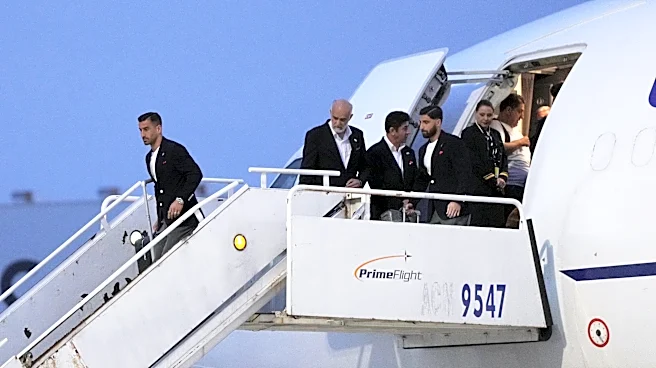
Omar Artan, a prominent Somali referee, has been denied entry to the United States, preventing him from officiating at the 2026 FIFA World Cup. Artan, who was set to become the first Somali to officiate at a World Cup, was refused entry at Miami International
Airport despite holding a valid travel visa. The denial is linked to a broad travel ban imposed by the Trump administration, affecting several countries, including Somalia. FIFA confirmed Artan's inability to participate, stating that immigration decisions are the responsibility of the host country. Somali officials have criticized the decision, arguing it undermines the principles of fairness and merit in football. Artan, who has been a FIFA referee since 2018 and was named Africa's best referee last year, is currently in Istanbul.
Why It's Important?
The denial of entry to Omar Artan highlights ongoing challenges related to immigration policies under the Trump administration, particularly affecting international events like the World Cup. This incident underscores the potential impact of political decisions on global sports, where travel restrictions can prevent qualified individuals from participating. The situation has drawn attention to the broader implications of such policies on international cooperation and the spirit of sportsmanship. It also raises concerns about the fairness and inclusivity of global events, as well as the potential for diplomatic tensions between countries involved.
What's Next?
The situation may prompt further discussions between FIFA and the U.S. government regarding immigration policies affecting international sports events. Somali officials and the broader football community may continue to advocate for Artan and others affected by similar restrictions. The incident could lead to increased scrutiny of the U.S.'s role as a host nation for international events, potentially influencing future decisions on hosting rights and the implementation of more inclusive policies.