






What's Happening?
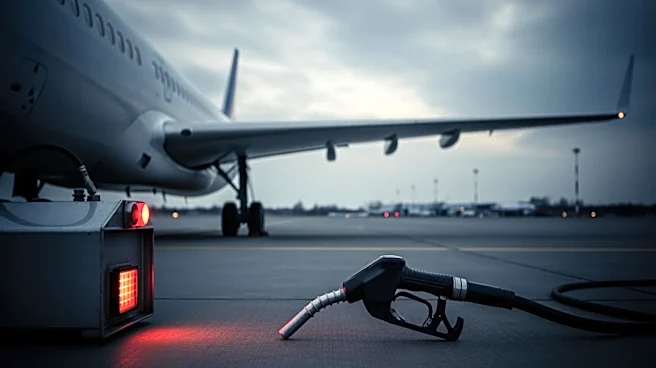
Chevron's CEO, Mike Wirth, has warned that air travel prices are likely to increase in the coming weeks due to the ongoing conflict with Iran over the Strait of Hormuz. The standoff has led to a surge in fuel prices, particularly jet fuel, which has risen
by over 80% compared to the previous year. This has forced airlines to adjust their flight schedules, increase fares, and reduce the number of available flights. The U.S. airlines are somewhat better positioned than their European counterparts due to domestic jet fuel production, but the overall impact on the aviation sector is significant.
Why It's Important?
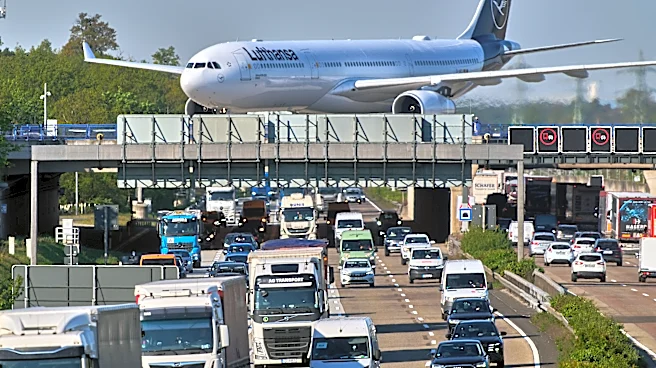
The increase in air travel costs will have a direct impact on consumers and the aviation industry. Higher fares and fewer flights could lead to decreased travel demand, affecting tourism and related sectors. The situation also highlights the broader economic implications of geopolitical conflicts on global markets, as rising fuel costs contribute to inflationary pressures. The aviation industry, already recovering from the pandemic, faces additional challenges in managing operational costs and maintaining profitability amid fluctuating fuel prices.
What's Next?
Airlines may continue to optimize routes and adjust pricing strategies to cope with the rising costs. The industry might also explore alternative fuel sources or efficiency measures to mitigate the impact of high fuel prices. In the long term, the resolution of the conflict and stabilization of fuel prices will be crucial for the recovery and growth of the aviation sector. Policymakers may need to consider strategic reserves and energy diversification to enhance resilience against such geopolitical disruptions.