



What's Happening?
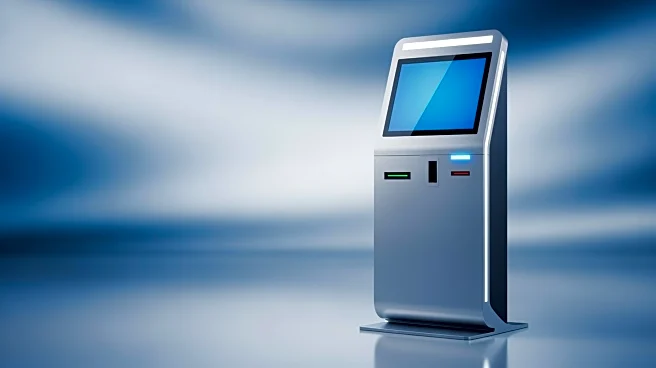
HUB Parking Technology, a brand under FAAC Technologies, has launched a new multi-purpose parking kiosk designed to expand self-service touchpoints globally. This kiosk is intended to transform traditional payment machines into flexible service-oriented touchpoints suitable for various indoor environments such as airports, hotels, and shopping centers. The kiosk supports a wide range of interactions, including ticket and ticketless payments, non-parking product purchases, and subscription renewals. It features a 21.5-inch touchscreen and supports PCI-compliant electronic payments. The kiosk is built on a software-driven architecture that allows for third-party integrations and future feature expansions, making it adaptable to changing operational
models and customer expectations.
Why It's Important?
The introduction of this multi-purpose kiosk by HUB Parking Technology represents a significant advancement in the automation of parking and service industries. By providing a flexible and adaptable solution, the kiosk can help operators manage complex, high-traffic environments more efficiently. This innovation is particularly relevant as businesses seek to enhance customer experiences while optimizing operational costs. The ability to integrate with existing systems and support a variety of services beyond parking can lead to increased revenue opportunities for operators. Additionally, the kiosk's energy-efficient design, which maximizes screen usage, aligns with growing demands for sustainable business practices.
What's Next?
As the kiosk is rolled out globally, operators in various sectors will likely evaluate its potential to streamline operations and enhance customer service. The adaptability of the kiosk to different environments and its integration capabilities may prompt further innovations in self-service technology. Stakeholders in the parking and service industries may also explore partnerships with HUB Parking Technology to leverage the kiosk's capabilities. The success of this initiative could influence other companies to develop similar multi-functional devices, potentially transforming the landscape of self-service technology.