







What's Happening?
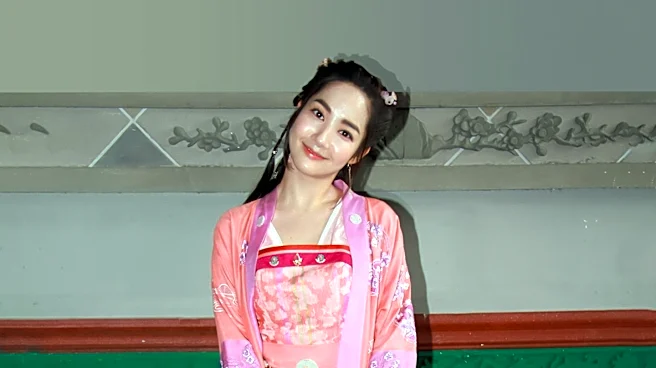
In Beijing, a growing trend sees young visitors dressing in traditional Chinese imperial costumes, inspired by the Ming and Qing dynasties. This cultural revival is centered around the Forbidden City, where makeup artists like Chen Jiao transform visitors into
empresses with elaborate robes and accessories. The experience, costing between 300 to over 1,000 yuan, includes posing for photos around the historic site. The trend is fueled by the popularity of historical costume dramas and a renewed interest in China's cultural heritage. The number of costume styling studios has surged, with over 100 now operating near the Forbidden City.
Why It's Important?
This trend highlights a broader cultural movement among young Chinese to reconnect with their heritage. By engaging with traditional costumes, participants are not only exploring historical aesthetics but also fostering a deeper appreciation for China's rich history. This cultural engagement can strengthen national identity and pride, particularly among the younger generation. Additionally, the booming costume industry contributes to local tourism and the economy, as visitors flock to Beijing for these immersive experiences. The trend also reflects a global interest in cultural tourism, where travelers seek authentic and educational experiences.
What's Next?
As the trend continues to grow, more businesses may emerge to cater to the demand for historical costume experiences. This could lead to further diversification of services, such as guided tours and educational workshops about the dynasties. The Chinese government might also support these initiatives as part of cultural preservation efforts. Additionally, the trend could inspire similar cultural revivals in other regions, promoting traditional arts and crafts. The ongoing popularity of historical dramas will likely continue to influence and sustain interest in these experiences.
Beyond the Headlines
The rise of traditional costume experiences in Beijing also raises questions about cultural authenticity and commercialization. While the trend promotes cultural heritage, it may also lead to the commodification of history, where the focus shifts from education to entertainment. This could dilute the historical significance of the costumes and the sites. Moreover, the trend highlights the influence of media on cultural perceptions, as many participants cite historical dramas as a source of inspiration. This underscores the power of storytelling in shaping cultural narratives and identity.