




What's Happening?
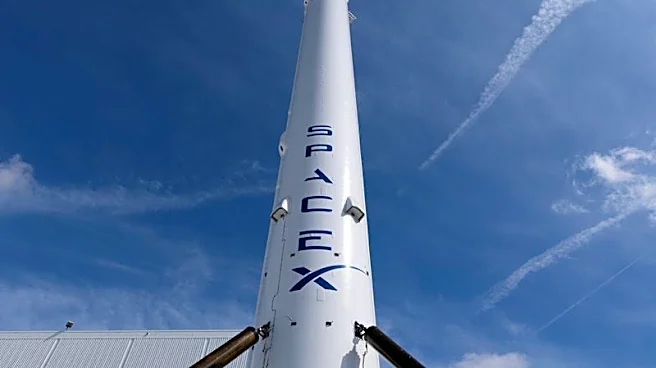
SpaceX is preparing for a significant initial public offering (IPO) expected to raise $75 billion, marking it as one of the largest IPOs in history. This move is anticipated to create a liquidity challenge in the market, as investors will need to sell
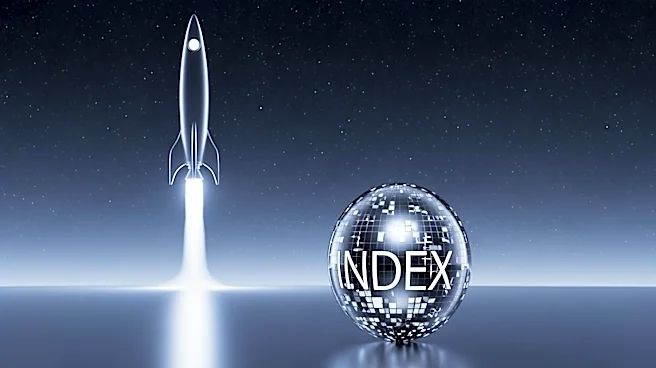
existing holdings to purchase SpaceX shares. With cash reserves at record lows, particularly among Bank of America's private wealth management clients, the influx of funds into SpaceX could lead to increased volatility in other market sectors. The tech sector, already experiencing growth, may see further concentration as SpaceX and other large firms are added to major indexes like the Nasdaq 100. This could result in significant outflows from companies such as Nvidia, Apple, and Microsoft, as index funds adjust their holdings.
Why It's Important?
The SpaceX IPO is poised to reshape the U.S. stock market landscape by increasing the concentration of tech stocks within major indexes. This shift could heighten market vulnerability, as a few large tech companies will dominate the market, making it susceptible to significant fluctuations from any adverse events affecting these firms. Investors may face challenges in maintaining diversified portfolios, as passive funds will be compelled to include these new tech giants, potentially leading to mechanical selling of other large-cap stocks. The IPO's impact on liquidity could also create short-term market instability, affecting sectors beyond technology.
What's Next?
As SpaceX and other tech giants like OpenAI and Anthropic prepare for their IPOs, investors and fund managers will need to navigate the resulting market shifts. The inclusion of these companies in major indexes will likely accelerate, prompting further adjustments in investment strategies. Stakeholders will be closely monitoring the market's response to these changes, particularly in terms of liquidity and sector concentration. The potential for increased volatility may lead to a reevaluation of risk management practices among investors and financial institutions.