



What's Happening?
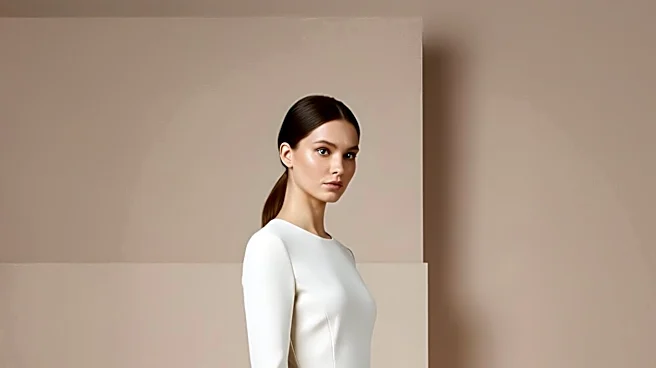
Ferragamo has introduced its pre-spring 2027 collection, designed by Maximilian Davis, which revisits the brand's historical roots from the 1920s through a modern lens. The collection features a blend of surrealism and cubism, expressed through patchworks
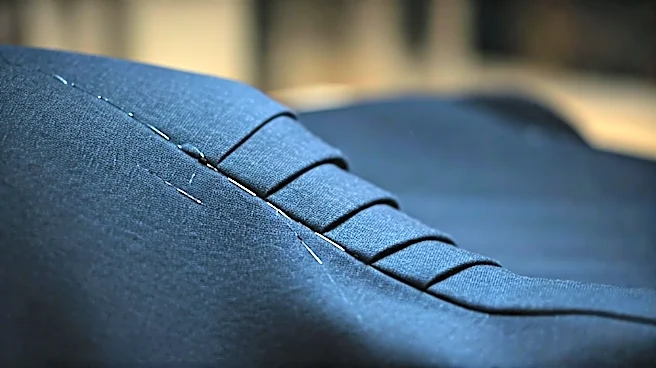
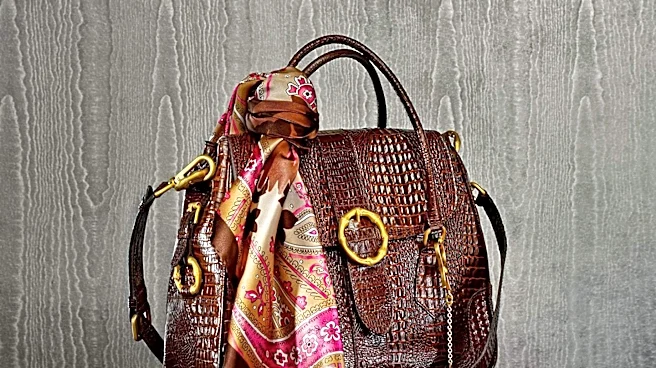
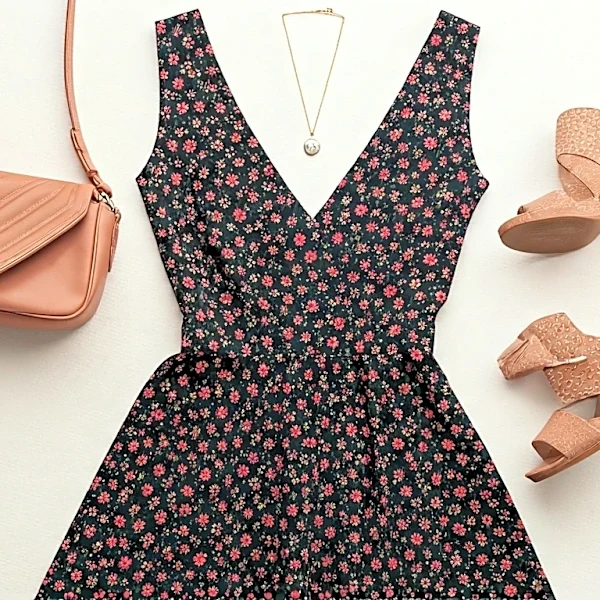
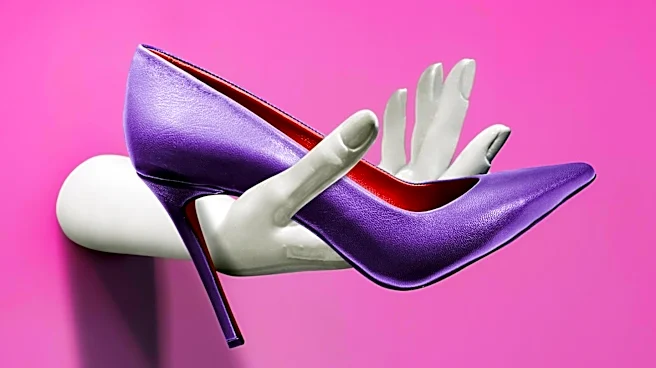
of color and texture. Key elements include gold lamé on chiffon dresses and washed georgette with embroidered stitching. The collection also incorporates sportswear influences from the 1920s, enhancing silhouettes with contrast piping and leather finishes. Accessories such as clean-lined bucket bags and the iconic Hug silhouette in leather and suede stripes are highlighted. Footwear continues key silhouettes from autumn/winter 2026, introducing new designs like flatform sandals with Gancini buckles.
Why It's Important?
Ferragamo's latest collection reflects a strategic move to blend historical influences with contemporary fashion trends, potentially attracting a diverse customer base interested in both classic and modern styles. By revisiting the 1920s, the brand taps into nostalgia while offering fresh interpretations that could appeal to fashion-forward consumers. This approach may strengthen Ferragamo's market position by showcasing its ability to innovate while respecting its heritage. The collection's emphasis on texture and color could set new trends in luxury fashion, influencing other designers and brands to explore similar themes.
What's Next?
As Ferragamo's pre-spring 2027 collection hits the market, the brand may focus on marketing strategies that highlight the collection's unique blend of historical and modern elements. Fashion critics and consumers will likely evaluate the collection's impact on upcoming seasonal trends. The success of this collection could lead to further exploration of historical themes in future designs, potentially influencing Ferragamo's long-term creative direction. Additionally, the brand may seek collaborations with artists or designers who share a similar vision, expanding its creative horizons.
Beyond the Headlines
The collection's exploration of surrealism and cubism through fashion may spark discussions on the intersection of art and clothing design. This could lead to broader cultural conversations about how fashion can serve as a medium for artistic expression. The use of historical references in modern fashion also raises questions about the role of nostalgia in consumer behavior, potentially influencing how brands approach storytelling in their marketing efforts. Furthermore, the collection's focus on texture and color may inspire innovations in textile manufacturing and design techniques.