






What's Happening?
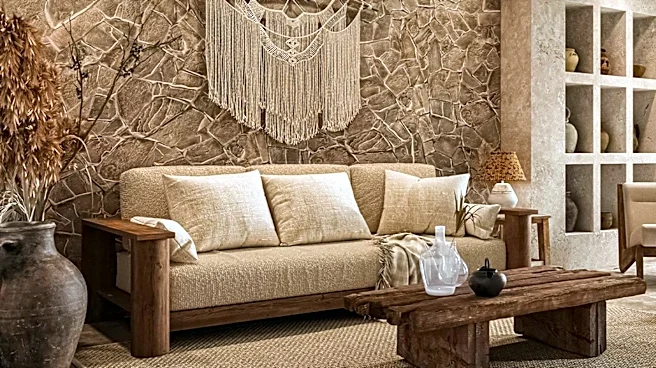
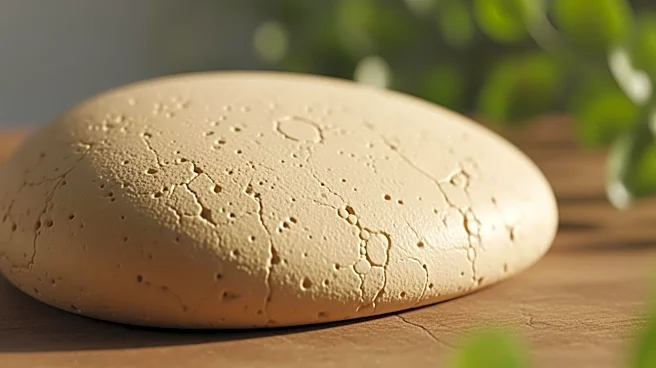
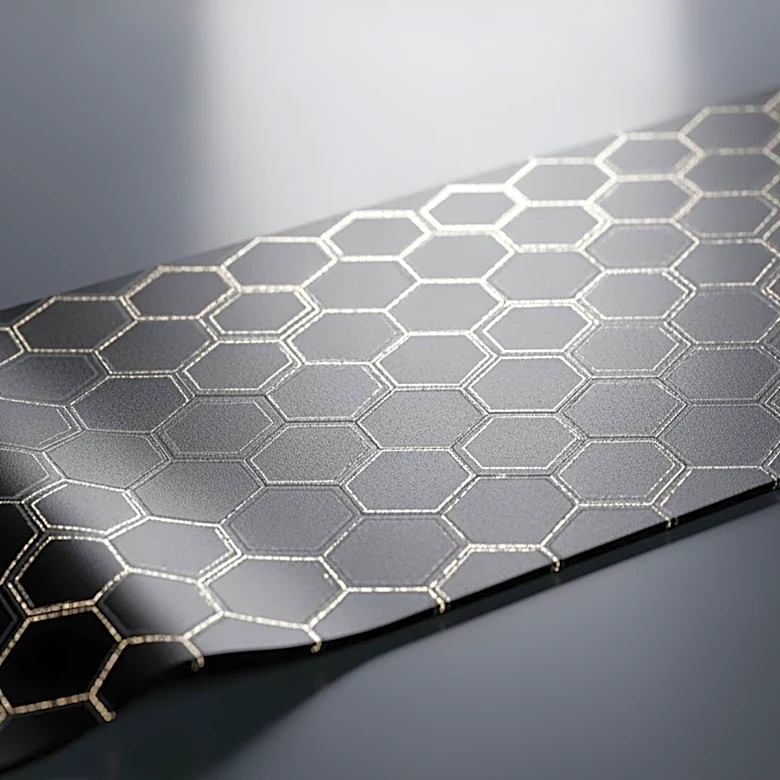
Scientists have developed a new type of building material using baker's yeast, which can be 3D printed into architectural pieces like wall panels and room dividers. This innovative material is designed to be more sustainable than traditional materials
like concrete and plastic, as it uses renewable ingredients and can potentially utilize industrial byproducts from brewing and agriculture. The material is created by mixing deactivated yeast with cellulose fibers, alginate, plant-based sugars, and water, forming a hydrogel that can be molded with a 3D printer. The resulting product is lightweight and can be customized in terms of color, texture, and translucency. The research, led by Malgorzata Zboinska from Chalmers University of Technology, aims to promote circularity in architectural design by integrating sustainable biomaterials and digital fabrication.
Why It's Important?
This development is significant as it addresses the environmental impact of the construction industry, which is known for its high consumption of raw materials and energy. By offering a sustainable alternative to fossil fuel-derived products, the yeast-based biomaterial could reduce waste and reliance on non-renewable resources. The material's potential to be recycled and reused further enhances its environmental benefits. However, challenges remain, such as improving the material's durability and ensuring it does not trigger allergies. If these issues are resolved, the biomaterial could revolutionize interior design by providing eco-friendly options that align with global sustainability goals.
What's Next?
Future steps for the research team include testing the material's longevity, moisture resistance, and thermal and acoustic properties. They also plan to refine the printing process to improve precision and scalability. Addressing these challenges will be crucial for the material's adoption in real-world applications. Additionally, establishing proper recycling protocols will be necessary to maximize the environmental benefits of this biomaterial. As the research progresses, it could lead to broader acceptance and use of sustainable materials in the construction industry.